This guide explores the growing demand for eco-friendly chew resistant dog beds in 2026, highlighting durable...
Search in blog
Blog categories
Latest posts
Eco-Friendly Chew Resistant Dog Beds for Sustainable Pets
Read more

Choosing the Perfect Pet Bed to Match Your Home Décor Read more
This guide helps homeowners and businesses choose pet beds that seamlessly blend with interior décor while...
The Role of R&D in Pet Product Innovation Read more
R&D is the engine behind pet product innovation. By working with an R&D pet factory and using custom design...

How to Scale from 500 MOQ to 50K Units Smoothly Read more
Scaling from 500 to 50K units in the pet industry requires the right strategy. With a scalable pet supplier, large...
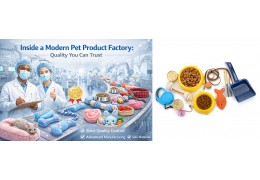
Inside a Modern Pet Product Factory: Quality You Can Trust Read more
Modern pet factories combine automation, skilled workers, QC pet goods systems, and strict pet product testing to...
Popular posts
How to Choose the Right Bed Size for Your Cat
Choosing the right bed size for your cat is key to ensuring their comfort and well-being. This guide covers how to...
Read more
why to clean cat window perch
It is very important to clean the window sill because cats like a clean environment and hygiene to avoid any health...
Read more
what can we bring to your business
We are a world-renowned manufacturing company of the perch. We provide the best solution to your pets, especially...
Read more
How to remove the suction cup of a cat hammock
My cat hammock sucker is transparent, how to remove the vacuum sucker? How to remove the suction cup of a cat hammock?
Read more
How to clean the window perch?
Window perches are often overlooked in a busy cleaning routine, but they are an important part of keeping your dirt...
Read moreFeatured posts
Eco-Friendly Chew Resistant Dog Beds for Sustainable Pets
This guide explores the growing demand for eco-friendly chew resistant dog beds in 2026, highlighting durable...
Read more Choosing the Perfect Pet Bed to Match Your Home Décor
This guide helps homeowners and businesses choose pet beds that seamlessly blend with interior décor while...
Read more The Role of R&D in Pet Product Innovation
R&D is the engine behind pet product innovation. By working with an R&D pet factory and using custom design...
Read more How to Scale from 500 MOQ to 50K Units Smoothly
Scaling from 500 to 50K units in the pet industry requires the right strategy. With a scalable pet supplier, large...
Read more Inside a Modern Pet Product Factory: Quality You Can Trust
Modern pet factories combine automation, skilled workers, QC pet goods systems, and strict pet product testing to...
Read moreBlog tags
select the right cat bed for your cat slow feeder dog bowls dog feeders perfect cat hammocks buy a cat window perch for your cat favorite cat window perch cat hair trimmer cat window perches best window cat hammock teslin cat window perch petpawjoy cat window seat automatic kitty litter box healthy cat window perch automatic water dispenser for cats best cat hammocks 2022 cuddling your cat cat litter box interactive toys best pet product suppliers
Photo gallery
No featured images
Archived posts
Top authors

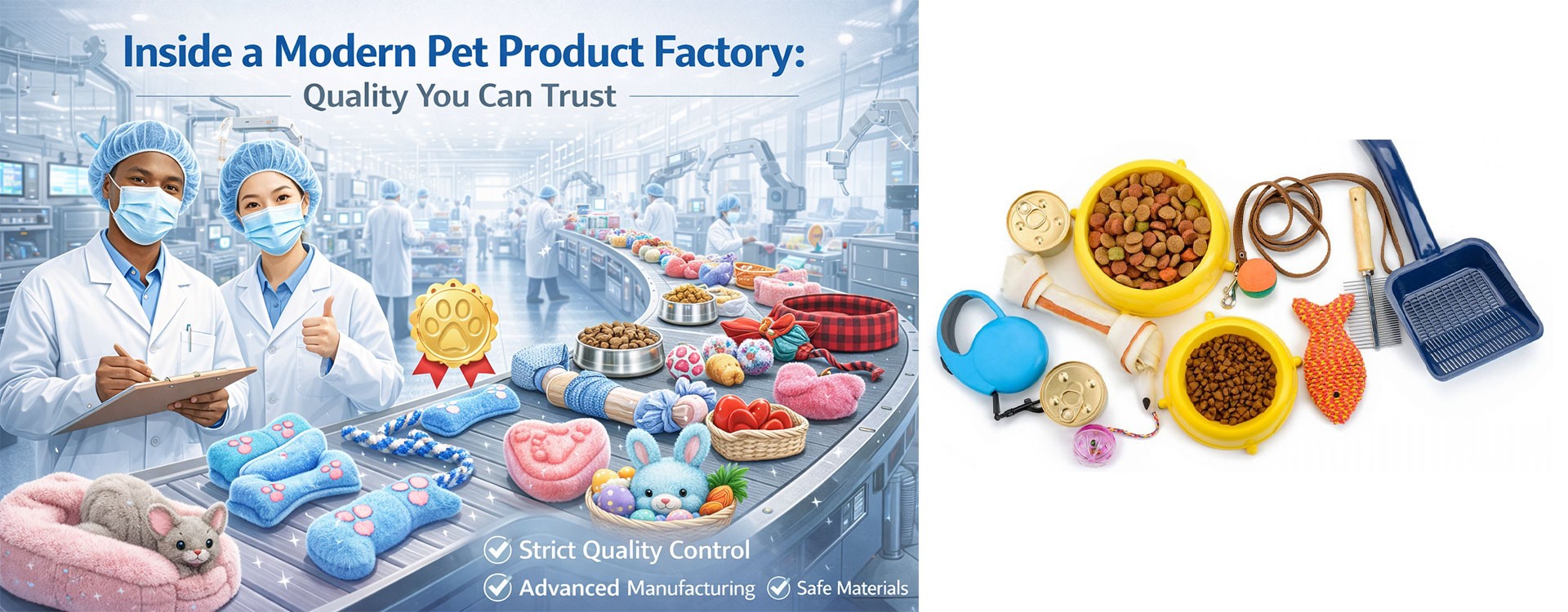
Inside a Modern Pet Product Factory: Quality You Can Trust
Introduction: Why Quality Matters in Pet Manufacturing
When it comes to the products we give our pets, safety and trust are non-negotiable. That’s why many wholesalers and retailers take a pet factory tour, invest in QC pet goods, and rely heavily on rigorous pet product testing before anything reaches the shelves. These three practices define the difference between ordinary products and reliable, pet-safe goods. In today’s competitive market, transparency and quality assurance are the key drivers of customer loyalty.
The Journey Begins: What to Expect on a Pet Factory Tour
A pet factory tour offers more than just a glimpse into how toys, crates, and accessories are made—it builds confidence.
Welcoming Visitors with Transparency
Factories often begin with an introduction to their values, certifications, and processes, showing clients they have nothing to hide.
Behind-the-Scenes Look at Production Lines
Visitors can observe automated assembly lines, material handling, and packaging areas to understand efficiency and quality.
The Role of Automation and Skilled Workers
Skilled craftsmanship complements automation, ensuring each product meets both durability and aesthetic expectations.
Raw Material Selection and Safety Standards
High-quality pet goods start with safe, reliable raw materials.
Sourcing Non-Toxic, Eco-Friendly Materials
From BPA-free plastics to organic fabrics, materials are carefully chosen to protect pets.
Supplier Audits and Compliance Certifications
Factories partner with certified suppliers and conduct audits to ensure global compliance standards are met.
Step One: Design and Prototyping in Modern Factories
Innovation is at the heart of every great pet product.
CAD Modeling and Innovation Labs
Engineers use CAD software and 3D printing to design pet toys and accessories.
Testing for Durability and Comfort
Prototypes undergo comfort checks to ensure pets enjoy them while owners feel safe using them.
Step Two: Manufacturing Excellence
Once prototypes are approved, production begins.
Injection Molding and Fabrication
Crates, bowls, and durable toys are created with advanced molding techniques.
Handcrafted vs. Machine-Made Products
Certain products like collars or plush toys may still require skilled hand-finishing.
Step Three: QC Pet Goods in Action
No product leaves the factory without passing through multiple QC pet goods stages.
Multi-Stage Quality Control Systems
From raw material inspection to final packaging, goods are checked at every step.
International Standards and Certifications
Factories comply with ISO, ASTM, and EN71 standards to ensure safety.
Traceability and Lot Tracking
Every batch is tracked, allowing quick recall if issues arise.
Step Four: Pet Product Testing for Safety and Reliability
Rigorous pet product testing ensures durability and safety.
Chew Resistance and Durability Testing
Products are tested against sharp teeth and heavy chewing.
Non-Toxic Material Analysis
Chemical labs verify that no harmful toxins exist in plastics, rubbers, or fabrics.
Simulated Real-Life Usage Tests
Simulations replicate real-world wear and tear to guarantee product lifespan.
Packaging and Labeling: More Than Just a Box
Presentation matters almost as much as product quality.
Sustainable and Eco-Friendly Packaging
Many factories are shifting to biodegradable packaging.
Clear Labeling for Pet Owners
Accurate labels provide usage instructions, material details, and safety warnings.
Technology in Modern Pet Factories
Factories today look more like tech labs than traditional workshops.
Robotics and Automation
Robots handle repetitive tasks with precision, improving efficiency.
AI-Driven Quality Control
AI-powered systems catch defects invisible to the human eye.
Sustainability and Ethical Practices
Modern factories balance profit with responsibility.
Reducing Carbon Footprint in Manufacturing
Factories are investing in solar energy and waste reduction systems.
Fair Labor and Animal-Friendly Policies
Ethical treatment of workers and a cruelty-free approach enhance brand trust.
Why Transparency Builds Consumer Trust
Consumers value brands that provide visibility into their production. A pet factory tour, combined with open QC pet goods reports and transparent pet product testing, reassures customers that their pets’ safety comes first.
Opportunities for Wholesalers and Retailers
Wholesalers gain a competitive edge when they partner with transparent, high-quality manufacturers. With trust-backed products, retailers can boost sales and customer loyalty.
FAQs
1. What is the purpose of a pet factory tour?
It gives wholesalers and retailers insight into how products are made and ensures transparency.
2. Why is QC pet goods so important?
It ensures every product meets international quality and safety standards.
3. How does pet product testing benefit consumers?
It guarantees that products are durable, safe, and toxin-free.
4. Do modern pet factories use eco-friendly practices?
Yes, many factories prioritize sustainable materials and green packaging.
5. How can wholesalers benefit from visiting a factory?
They can verify quality, negotiate better terms, and build stronger supplier relationships.
6. Are all pet goods tested before shipping?
In leading factories, yes—products undergo multiple testing phases before distribution.
Conclusion: How Modern Pet Factories Guarantee Quality
In the fast-growing pet industry, trust is built on quality. Through a pet factory tour, strict QC pet goods protocols, and extensive pet product testing, manufacturers ensure their products meet the highest safety standards. For wholesalers and retailers, aligning with such factories means offering customers peace of mind and securing long-term growth.
As pet ownership continues to rise globally, the brands that prioritize safety, transparency, and quality will stand out. And it all begins inside a modern pet factory—where innovation meets trust.
Posted in: Everything About Pet