This guide explores the growing demand for eco-friendly chew resistant dog beds in 2026, highlighting durable...
Search in blog
Blog categories
Latest posts
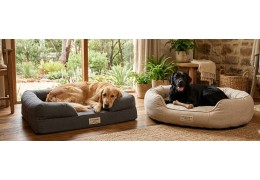
Eco-Friendly Chew Resistant Dog Beds for Sustainable Pets
Read more

Choosing the Perfect Pet Bed to Match Your Home Décor Read more
This guide helps homeowners and businesses choose pet beds that seamlessly blend with interior décor while...
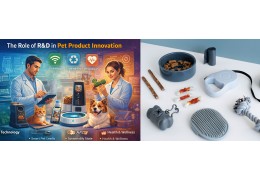
The Role of R&D in Pet Product Innovation Read more
R&D is the engine behind pet product innovation. By working with an R&D pet factory and using custom design...

How to Scale from 500 MOQ to 50K Units Smoothly Read more
Scaling from 500 to 50K units in the pet industry requires the right strategy. With a scalable pet supplier, large...
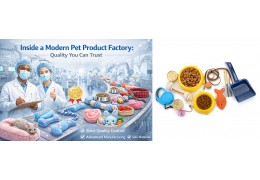
Inside a Modern Pet Product Factory: Quality You Can Trust Read more
Modern pet factories combine automation, skilled workers, QC pet goods systems, and strict pet product testing to...
Popular posts
How to Choose the Right Bed Size for Your Cat
Choosing the right bed size for your cat is key to ensuring their comfort and well-being. This guide covers how to...
Read more
why to clean cat window perch
It is very important to clean the window sill because cats like a clean environment and hygiene to avoid any health...
Read more
what can we bring to your business
We are a world-renowned manufacturing company of the perch. We provide the best solution to your pets, especially...
Read more
How to remove the suction cup of a cat hammock
My cat hammock sucker is transparent, how to remove the vacuum sucker? How to remove the suction cup of a cat hammock?
Read more
How to clean the window perch?
Window perches are often overlooked in a busy cleaning routine, but they are an important part of keeping your dirt...
Read moreFeatured posts
Eco-Friendly Chew Resistant Dog Beds for Sustainable Pets
This guide explores the growing demand for eco-friendly chew resistant dog beds in 2026, highlighting durable...
Read more Choosing the Perfect Pet Bed to Match Your Home Décor
This guide helps homeowners and businesses choose pet beds that seamlessly blend with interior décor while...
Read more The Role of R&D in Pet Product Innovation
R&D is the engine behind pet product innovation. By working with an R&D pet factory and using custom design...
Read more How to Scale from 500 MOQ to 50K Units Smoothly
Scaling from 500 to 50K units in the pet industry requires the right strategy. With a scalable pet supplier, large...
Read more Inside a Modern Pet Product Factory: Quality You Can Trust
Modern pet factories combine automation, skilled workers, QC pet goods systems, and strict pet product testing to...
Read moreBlog tags
cat litter box perfect cat hammocks dog feeders automatic kitty litter box automatic water dispenser for cats best cat hammocks 2022 select the right cat bed for your cat slow feeder dog bowls teslin cuddling your cat buy a cat window perch for your cat cat window perch cat window perches petpawjoy cat window seat cat hair trimmer best window cat hammock interactive toys best pet product suppliers healthy cat window perch favorite cat window perch
Photo gallery
No featured images
Archived posts
Top authors

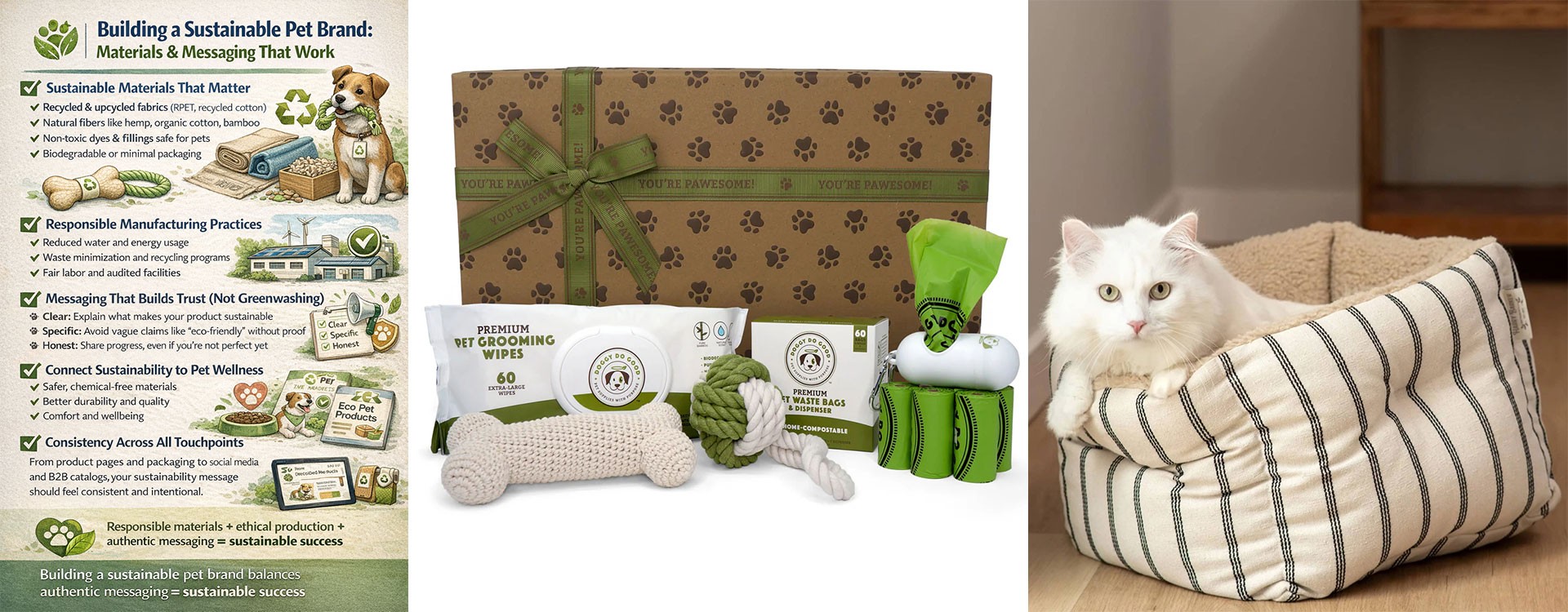
Building a Sustainable Pet Brand: Materials & Messaging That Work
Introduction: Why Sustainability Is the Future of Pet Products
The global pet industry is undergoing a massive shift, with eco-conscious consumers demanding more than just stylish accessories and tasty treats. Today, pet owners want products that align with their values—environmental responsibility, ethical sourcing, and health-conscious design. To stay competitive, wholesalers and retailers must focus on building a sustainable pet brand, adopting green pet manufacturing processes, and partnering with trusted eco pet OEM suppliers.
Sustainability isn’t just a trend—it’s becoming the new industry standard. From biodegradable poop bags to recycled pet toys and plant-based grooming products, brands that fail to adapt risk falling behind. This guide will show you how to use eco-friendly materials, strong storytelling, and strategic partnerships to grow your sustainable pet brand.
The Rise of Sustainability in the Pet Industry
Eco-Conscious Consumers Are Driving Change
Pet parents now see their furry friends as part of the family, and they want the same green values they practice at home reflected in their pet products. Research shows that over 70% of millennials prefer eco-friendly brands—a demographic that makes up the largest share of pet owners today.
Market Trends You Can’t Ignore
1 Eco-friendly packaging is now expected, not optional.
2 Organic and plant-based ingredients are in high demand for pet foods.
3 Recycled and biodegradable materials are setting the standard for toys and accessories.
If you want to build a lasting sustainable pet brand, you need to embrace these trends in your product design and marketing.
Green Pet Manufacturing: The Foundation of Sustainability
Why Manufacturing Matters
The backbone of every eco-friendly product lies in green pet manufacturing. It’s not enough to claim your products are sustainable—you need a supply chain that proves it. Sustainable manufacturing practices reduce waste, conserve energy, and ensure fair treatment of workers.
Key Principles of Green Pet Manufacturing
1. Energy Efficiency – Using renewable energy sources like solar or wind in factories.
2. Waste Reduction – Recycling leftover materials and reducing water usage.
3. Non-Toxic Materials – Eliminating harmful chemicals from dyes, plastics, and finishes.
4. Fair Labor Practices – Ensuring ethical treatment of workers in the supply chain.
Examples of Green Pet Manufacturing in Action
1. Using cornstarch-based bioplastics for food bowls.
2. Producing organic cotton collars instead of synthetic nylon.
3. Partnering with suppliers who recycle factory waste into new products.
By highlighting these practices, wholesalers can differentiate themselves and gain credibility with eco-conscious buyers.
Eco Pet OEM Partnerships: Choosing the Right Suppliers
What Is an Eco Pet OEM?
An eco pet OEM (Original Equipment Manufacturer) is a supplier that creates products using environmentally friendly materials and processes. These partners are crucial for wholesalers who want to scale without sacrificing sustainability.
How to Vet an Eco Pet OEM
1 Check certifications: Look for ISO 14001, FSC (Forestry Stewardship Council), or GOTS (Global Organic Textile Standard).
2 Inspect materials: Ensure they use recycled, organic, or biodegradable resources.
3 Audit facilities: Confirm they follow fair labor and sustainable manufacturing practices.
Why Eco Pet OEMs Give You a Competitive Edge
1 Faster access to eco-innovation.
2 Lower environmental footprint across your supply chain.
3 Increased trust with consumers who value transparency.
By partnering with the right eco pet OEM, your brand can confidently claim its sustainability story without risking greenwashing accusations.
Sustainable Materials That Resonate with Consumers
Popular Eco-Friendly Materials in Pet Products
1. Organic Cotton – For leashes, collars, and bedding.
2. Hemp – Durable, antibacterial, and naturally eco-friendly.
3. Recycled Plastics – From ocean plastics turned into food bowls.
4. Bamboo Fiber – Fast-growing and renewable, perfect for toys.
5. Plant-Based Rubber – Biodegradable alternatives to synthetic rubber.
Case Study: Eco-Friendly Dog Toys
Brands using recycled plastics and organic cotton stuffing in chew toys are reporting higher customer loyalty and repeat purchases. Why? Because eco-conscious buyers feel they’re contributing to environmental solutions.
Crafting a Brand Message That Connects
Why Messaging Matters as Much as Materials
Even the most eco-friendly products won’t sell if customers don’t understand their value. A sustainable pet brand must not only adopt green practices but also communicate them effectively.
Messaging Strategies That Work
1 Transparency: Share your supply chain story.
2 Impact Stats: Highlight how much plastic or CO₂ your brand saves annually.
3 Lifestyle Marketing: Position eco-friendly products as part of a modern, health-conscious lifestyle.
Avoiding Greenwashing
Consumers are quick to spot exaggerations. Always back up your claims with certifications, supplier transparency, and measurable data.
Marketing a Sustainable Pet Brand
Leverage Social Media Storytelling
Show behind-the-scenes videos of your green pet manufacturing process or highlight your partnership with an eco pet OEM. Consumers love authenticity.
Educate Your Audience
Use blog posts, infographics, and packaging inserts to explain why sustainable materials matter.
Highlight Certifications
Badges from USDA Organic, FSC, or GOTS not only build trust but also set you apart from less committed competitors.
Challenges in Building a Sustainable Pet Brand
1. Higher Production Costs – Eco materials and green manufacturing are more expensive but attract premium customers.
2. Supplier Verification – Ensuring your eco pet OEM truly follows sustainable practices takes effort.
3. Consumer Skepticism – Greenwashing scandals have made buyers cautious, so proof is essential.
Future of Eco-Friendly Pet Products
1 Smart Sustainable Products: Tech-driven collars and feeders made with recycled materials.
2 Zero-Waste Packaging: Brands moving to compostable or refillable containers.
3 Circular Economy: Trade-in programs for used products to reduce waste.
The future is clear—brands that embrace green pet manufacturing and prioritize eco materials will dominate.
FAQs
Q1: What defines a sustainable pet brand?
A1: A brand that uses eco-friendly materials, partners with eco pet OEM suppliers, and invests in green pet manufacturing processes.
Q2: How can wholesalers find eco pet OEM partners?
A2: Look for certified suppliers, audit facilities, and ask for sustainability proof such as ISO or FSC certifications.
Q3: Are sustainable materials more expensive?
A3: Yes, but consumers are willing to pay a premium for authentic eco-friendly products.
Q4: How do I avoid greenwashing?
A4: Be transparent, show proof of certifications, and clearly communicate your sustainability practices.
Q5: What are examples of sustainable materials for pet products?
A5: Hemp, bamboo, organic cotton, recycled plastics, and plant-based rubber.
Q6: Why is green pet manufacturing important?
A6: It reduces waste, lowers carbon emissions, and ensures ethical labor practices—making your brand both responsible and competitive.
Conclusion: Building a Pet Brand That Lasts
Building a sustainable pet brand isn’t just about adopting trendy buzzwords—it’s about creating long-term value for both your business and the planet. By investing in green pet manufacturing, choosing the right eco pet OEM partners, and crafting transparent messaging, you can stand out in a crowded marketplace.
Consumers are ready for eco-friendly innovation, and the pet industry is ripe for transformation. Brands that take sustainability seriously today will be the leaders of tomorrow.
Posted in: Everything About Pet