This guide explores the growing demand for eco-friendly chew resistant dog beds in 2026, highlighting durable...
Search in blog
Blog categories
Latest posts
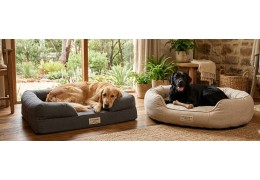
Eco-Friendly Chew Resistant Dog Beds for Sustainable Pets
Read more

Choosing the Perfect Pet Bed to Match Your Home Décor Read more
This guide helps homeowners and businesses choose pet beds that seamlessly blend with interior décor while...
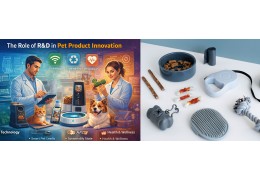
The Role of R&D in Pet Product Innovation Read more
R&D is the engine behind pet product innovation. By working with an R&D pet factory and using custom design...

How to Scale from 500 MOQ to 50K Units Smoothly Read more
Scaling from 500 to 50K units in the pet industry requires the right strategy. With a scalable pet supplier, large...
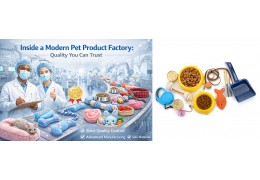
Inside a Modern Pet Product Factory: Quality You Can Trust Read more
Modern pet factories combine automation, skilled workers, QC pet goods systems, and strict pet product testing to...
Popular posts
How to Choose the Right Bed Size for Your Cat
Choosing the right bed size for your cat is key to ensuring their comfort and well-being. This guide covers how to...
Read more
why to clean cat window perch
It is very important to clean the window sill because cats like a clean environment and hygiene to avoid any health...
Read more
what can we bring to your business
We are a world-renowned manufacturing company of the perch. We provide the best solution to your pets, especially...
Read more
How to remove the suction cup of a cat hammock
My cat hammock sucker is transparent, how to remove the vacuum sucker? How to remove the suction cup of a cat hammock?
Read more
How to clean the window perch?
Window perches are often overlooked in a busy cleaning routine, but they are an important part of keeping your dirt...
Read moreFeatured posts
Eco-Friendly Chew Resistant Dog Beds for Sustainable Pets
This guide explores the growing demand for eco-friendly chew resistant dog beds in 2026, highlighting durable...
Read more Choosing the Perfect Pet Bed to Match Your Home Décor
This guide helps homeowners and businesses choose pet beds that seamlessly blend with interior décor while...
Read more The Role of R&D in Pet Product Innovation
R&D is the engine behind pet product innovation. By working with an R&D pet factory and using custom design...
Read more How to Scale from 500 MOQ to 50K Units Smoothly
Scaling from 500 to 50K units in the pet industry requires the right strategy. With a scalable pet supplier, large...
Read more Inside a Modern Pet Product Factory: Quality You Can Trust
Modern pet factories combine automation, skilled workers, QC pet goods systems, and strict pet product testing to...
Read moreBlog tags
cat litter box perfect cat hammocks dog feeders automatic kitty litter box automatic water dispenser for cats best cat hammocks 2022 select the right cat bed for your cat slow feeder dog bowls teslin cuddling your cat buy a cat window perch for your cat cat window perch cat window perches petpawjoy cat window seat cat hair trimmer best window cat hammock interactive toys best pet product suppliers healthy cat window perch favorite cat window perch
Photo gallery
No featured images
Archived posts
Top authors

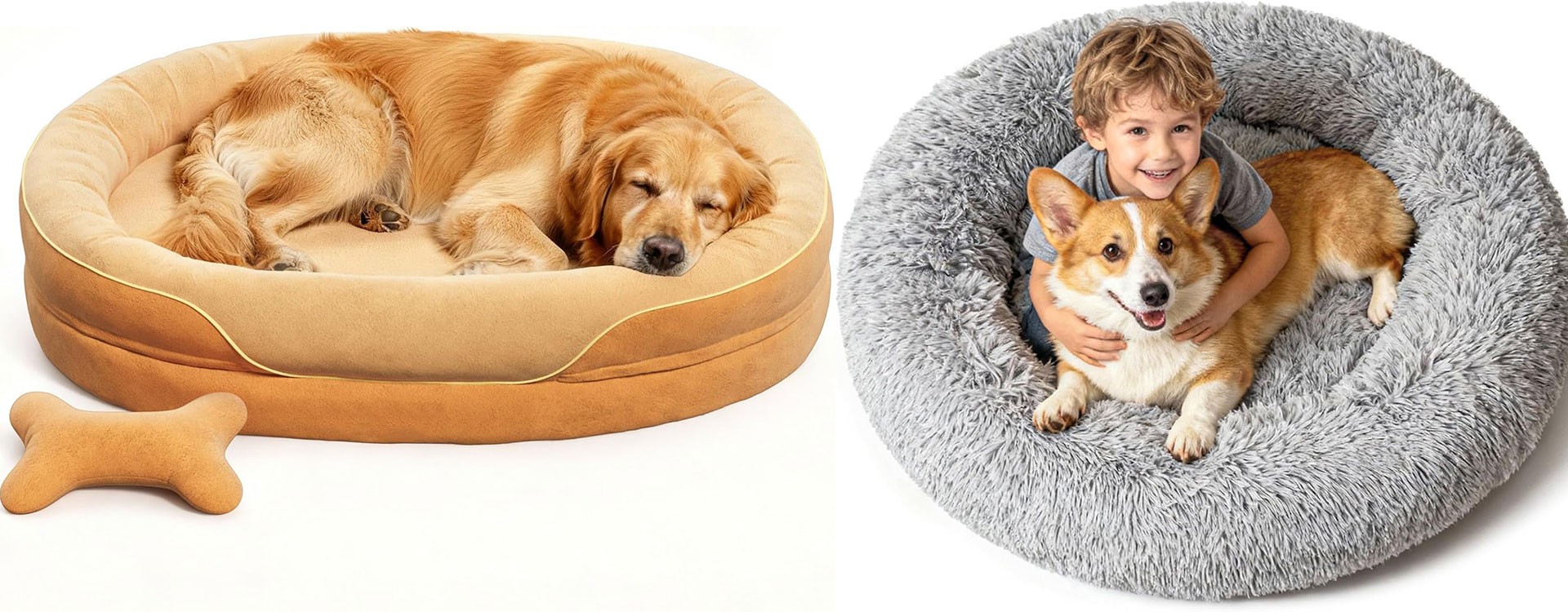
How Recycled Fabrics Are Reshaping Pet Beds & Toys in EU Retail (2026 Guide)
Introduction: Sustainability in the Pet Industry
The European pet industry has entered 2026 with sustainability at its core. From bedding to toys, eco-conscious innovation is now driving the sector. Today, products like a recycled dog bed, an eco-friendly pet toy, and partnerships with a green textile supplier are no longer niche—they’re mainstream.
Pet parents across Europe are seeking products that not only provide comfort and joy for their animals but also reduce environmental harm. This consumer-driven change is pushing retailers and wholesalers to reimagine their product offerings, aligning with green values while strengthening business resilience.
The Growing Demand for Recycled Fabrics
Why Consumers Are Choosing Green Alternatives
Modern consumers are hyper-aware of sustainability. Pet owners, in particular, want their purchases to reflect their eco-conscious lifestyles. Studies from 2025 show that 7 in 10 EU households now actively seek recycled or biodegradable alternatives when shopping for pet gear.
Buying a recycled dog bed or choosing an eco-friendly pet toy is about more than utility—it’s a statement of values. Consumers want products that align with their lifestyle and reduce waste.
The EU Push for Eco-Friendly Textiles
The European Union continues to tighten environmental regulations. Policies such as the EU Circular Economy Action Plan encourage retailers to adopt recycled textiles. Additionally, eco-label certifications have gained traction, ensuring suppliers and retailers maintain high standards. This is why partnerships with a green textile supplier are becoming essential for pet businesses.
What Makes Recycled Fabrics Ideal for Pet Products?
Durability & Safety
Recycled fabrics like polyester from PET bottles or reclaimed cotton are engineered for strength. A well-made eco-friendly pet toy or recycled dog bed can be just as durable as traditional versions, if not stronger.
Comfort for Pets
Sustainability doesn’t mean compromising comfort. Fabrics made from recycled cotton and microfiber blends are breathable, soft, and ideal for pets of all sizes.
Aesthetic Appeal for Modern Consumers
Consumers expect stylish designs. The days of “eco-friendly” meaning “plain” are gone. From chic Scandinavian-style beds to colorful recycled fabric toys, green products are designed to appeal to both pets and their owners.
The Rise of the Recycled Dog Bed
Materials Used in Sustainable Pet Beds
• Recycled polyester fibers (from PET bottles)
• Reclaimed cotton (from pre-consumer textile scraps)
• Upcycled denim (from fashion waste)
• Organic fillings (such as buckwheat hulls or coconut fiber)
Benefits of Eco-Friendly Dog Bedding
1. Non-toxic and safe – ideal for sensitive pets.
2. Machine washable – maintaining hygiene with ease.
3. Reduced carbon footprint – significantly lower impact compared to virgin fabrics.
4. Hypoallergenic properties – perfect for pets prone to allergies.
Popular Designs in EU Retail
In 2026, design trends for recycled dog beds include modular beds with replaceable covers, orthopedic models for senior dogs, and reversible seasonal fabrics (cool in summer, warm in winter).
Innovation in the Eco-Friendly Pet Toy Market
Toys Made from Recycled Plastics & Textiles
Manufacturers now use recycled ocean plastics, upcycled textiles, and reclaimed rubber to create chew toys, fetch balls, and plush companions.
Safety & Non-Toxic Manufacturing
For an eco-friendly pet toy to be successful, it must pass EU safety standards, ensuring it’s free from harmful chemicals like BPA and phthalates.
Trending Toy Styles for 2026
• Interactive toys – recycled fabric puzzles and treat-dispensing products.
• Rope toys – made with recycled cotton yarn.
• Plush companions – crafted from upcycled textiles for cats and small dogs.
• Chew toys – durable options from recycled rubber and plastics.
The Role of the Green Textile Supplier
Sourcing Fabrics from Certified Recyclers
A green textile supplier ensures the raw materials used are traceable, certified, and processed sustainably. Certifications such as the Global Recycled Standard (GRS) and OEKO-TEX® assure retailers and consumers of fabric integrity.
Wholesale Partnerships with Retailers
Suppliers provide bulk fabric solutions, allowing wholesalers to scale their product ranges without compromising sustainability.
Private Label Opportunities
Many retailers are now developing their own eco-friendly product lines. By working with a green textile supplier, stores can create exclusive collections of recycled dog beds and eco-friendly pet toys under their brand names.
Benefits for EU Retailers Stocking Recycled Pet Products
Meeting Customer Expectations
Shoppers actively look for eco-friendly options. Offering recycled dog beds and eco-friendly pet toys helps retailers meet demand.
Strengthening Brand Sustainability
Retailers that invest in sustainable goods build stronger customer loyalty and stand out in a competitive market.
Long-Term Profitability
Eco-friendly pet products often command higher retail margins. While production costs may be slightly higher, the payoff comes in customer retention and brand credibility.
Challenges in Using Recycled Fabrics
Higher Production Costs
Recycling processes and certifications add cost. However, prices are falling as more suppliers enter the market.
Supply Chain Limitations
Not every region has access to certified green textile suppliers, making logistics a hurdle for smaller retailers.
Misconceptions About Quality
Some consumers still believe recycled fabrics are inferior. Education campaigns help combat this misconception.
Case Studies: EU Brands Leading with Recycled Fabrics
Boutique Pet Brands
Small brands in Germany, Denmark, and the Netherlands have thrived by offering bespoke recycled dog beds and handmade eco-friendly pet toys.
Large Retail Chains
Retailers like Zooplus and Pets at Home are integrating private-label collections sourced from green textile suppliers, proving that sustainability works at scale.
Future of Recycled Fabrics in Pet Retail
Circular Economy in Pet Products
Future designs will allow products to be returned, recycled, and reintroduced into the market, minimizing waste completely.
Technology-Driven Recycling
Advances in textile recycling are creating fabrics that are stronger, softer, and more sustainable. By 2030, it’s expected that most EU pet textiles will come from recycled sources.
How Retailers Can Transition to Recycled Fabrics
Step 1: Partner with a Green Textile Supplier
Seek suppliers with strong certifications and transparent processes.
Step 2: Highlight Sustainable Features in Marketing
Promote products with eco-labels like “Made from 100% Recycled Materials” to attract eco-conscious shoppers.
Step 3: Educate Consumers About Eco-Friendly Pet Products
Provide in-store guides and online blogs explaining the benefits of a recycled dog bed or eco-friendly pet toy.
FAQs on Recycled Fabrics in Pet Products
Q1: Are recycled fabrics safe for pets?
Yes, certified recycled fabrics are tested for safety and are non-toxic.
Q2: How long does a recycled dog bed last?
With proper care, these beds can last 2–5 years, matching or exceeding traditional beds.
Q3: Do eco-friendly pet toys cost more?
Slightly, but customers are increasingly willing to pay for sustainability.
Q4: How can retailers verify a green textile supplier?
Look for GRS, OEKO-TEX®, and Fair Trade certifications.
Q5: Are EU customers willing to pay more for sustainable pet products?
Yes—surveys show over 65% of EU consumers will pay 15–20% more for eco-friendly products.
Q6: What certifications should retailers look for?
Global Recycled Standard (GRS), EU Ecolabel, and FSC for packaging.
Conclusion: Building a Greener Pet Industry
As we move through 2026, the influence of recycled fabrics on the pet industry continues to grow. The recycled dog bed, the eco-friendly pet toy, and the partnerships with the green textile supplier represent more than products—they symbolize a cultural shift toward sustainability.
For retailers and wholesalers, embracing this movement means not only tapping into rising consumer demand but also building a future-proof business model. By investing in recycled fabrics today, the pet industry paves the way for a greener, more responsible tomorrow.
Posted in: Everything About Pet