This guide explores the growing demand for eco-friendly chew resistant dog beds in 2026, highlighting durable...
Search in blog
Blog categories
Latest posts
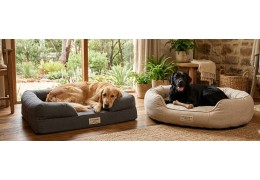
Eco-Friendly Chew Resistant Dog Beds for Sustainable Pets
Read more

Choosing the Perfect Pet Bed to Match Your Home Décor Read more
This guide helps homeowners and businesses choose pet beds that seamlessly blend with interior décor while...
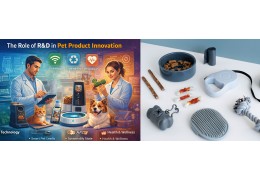
The Role of R&D in Pet Product Innovation Read more
R&D is the engine behind pet product innovation. By working with an R&D pet factory and using custom design...
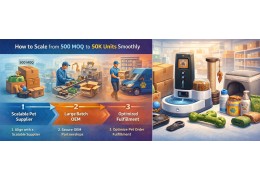
How to Scale from 500 MOQ to 50K Units Smoothly Read more
Scaling from 500 to 50K units in the pet industry requires the right strategy. With a scalable pet supplier, large...
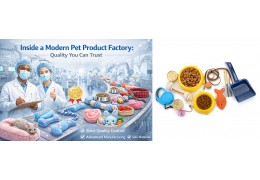
Inside a Modern Pet Product Factory: Quality You Can Trust Read more
Modern pet factories combine automation, skilled workers, QC pet goods systems, and strict pet product testing to...
Popular posts
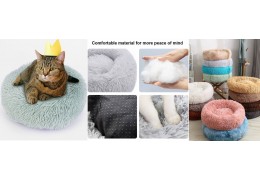
How to Choose the Right Bed Size for Your Cat
Choosing the right bed size for your cat is key to ensuring their comfort and well-being. This guide covers how to...
Read more
why to clean cat window perch
It is very important to clean the window sill because cats like a clean environment and hygiene to avoid any health...
Read more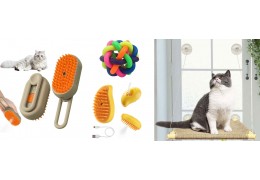
what can we bring to your business
We are a world-renowned manufacturing company of the perch. We provide the best solution to your pets, especially...
Read more
How to remove the suction cup of a cat hammock
My cat hammock sucker is transparent, how to remove the vacuum sucker? How to remove the suction cup of a cat hammock?
Read more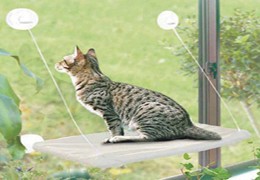
How to clean the window perch?
Window perches are often overlooked in a busy cleaning routine, but they are an important part of keeping your dirt...
Read moreFeatured posts
Eco-Friendly Chew Resistant Dog Beds for Sustainable Pets
This guide explores the growing demand for eco-friendly chew resistant dog beds in 2026, highlighting durable...
Read more Choosing the Perfect Pet Bed to Match Your Home Décor
This guide helps homeowners and businesses choose pet beds that seamlessly blend with interior décor while...
Read more The Role of R&D in Pet Product Innovation
R&D is the engine behind pet product innovation. By working with an R&D pet factory and using custom design...
Read more How to Scale from 500 MOQ to 50K Units Smoothly
Scaling from 500 to 50K units in the pet industry requires the right strategy. With a scalable pet supplier, large...
Read more Inside a Modern Pet Product Factory: Quality You Can Trust
Modern pet factories combine automation, skilled workers, QC pet goods systems, and strict pet product testing to...
Read moreBlog tags
select the right cat bed for your cat slow feeder dog bowls dog feeders perfect cat hammocks buy a cat window perch for your cat favorite cat window perch cat hair trimmer cat window perches best window cat hammock teslin cat window perch petpawjoy cat window seat automatic kitty litter box healthy cat window perch automatic water dispenser for cats best cat hammocks 2022 cuddling your cat cat litter box interactive toys best pet product suppliers
Photo gallery
No featured images
Archived posts
Top authors

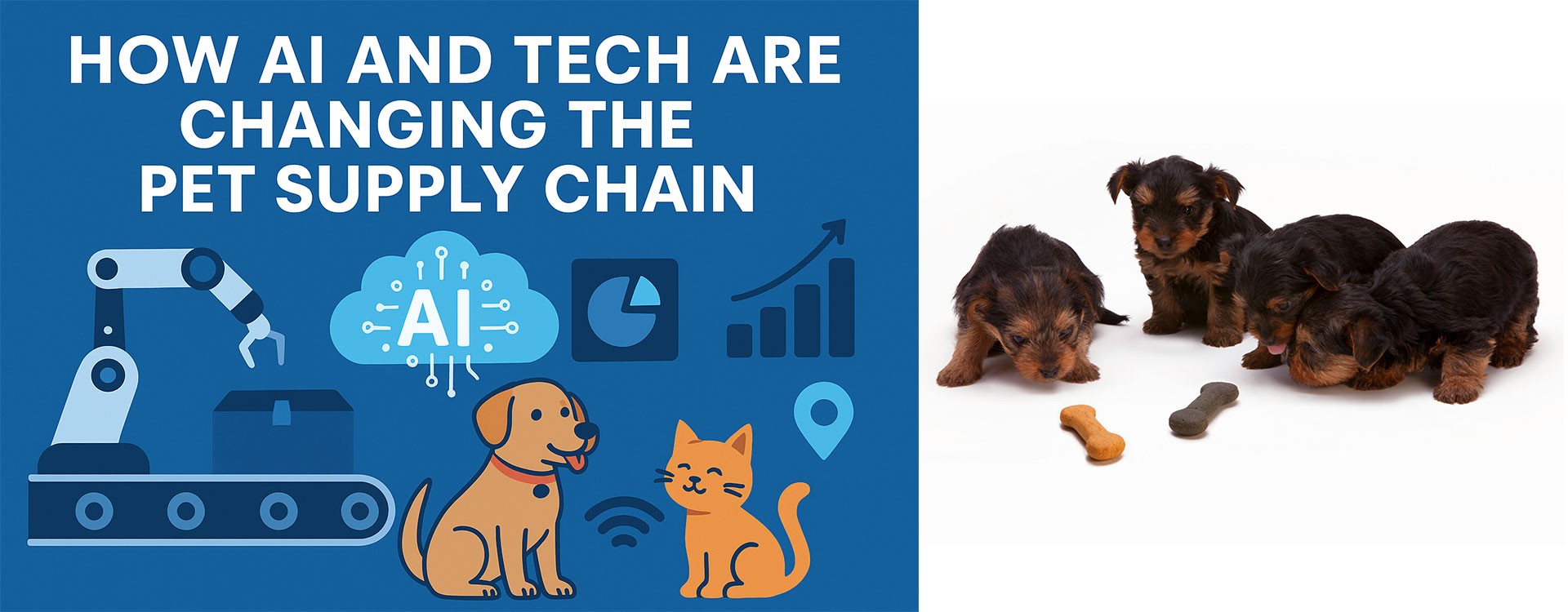
How AI and Tech Are Changing the Pet Supply Chain
The global pet industry is undergoing a digital transformation, driven by innovation, data, and automation. Wholesale businesses that once relied on manual processes are now embracing tools that redefine efficiency and accuracy. In today’s market, pet tech wholesale, AI pet inventory, and smart pet product supplier solutions are not just buzzwords—they are essential strategies for staying competitive. From predictive demand planning to connected devices, technology is rewriting how products move from factories to retail shelves.
Why Technology Matters in the Pet Supply Chain
The pet industry is booming worldwide, with billions of dollars spent annually on food, toys, accessories, and grooming products. However, this growth brings complexity. Managing stock levels, predicting demand, and ensuring timely deliveries across international markets are major challenges.
This is where AI pet inventory systems come into play. Artificial intelligence can analyze customer buying patterns, seasonal fluctuations, and geographic trends to provide wholesalers with accurate forecasting models. For a smart pet product supplier, this means less risk of overstocking slow-moving items and better assurance that in-demand products are always available.
Meanwhile, pet tech wholesale extends beyond logistics. It involves offering innovative, tech-driven pet products—like GPS-enabled collars, automated feeders, and health-monitoring devices—that retailers crave for their shelves. These products not only meet consumer demand but also reinforce the wholesaler’s reputation as an innovative market leader.
The Role of AI in Inventory Management
Traditional inventory management often relies on guesswork or outdated sales reports. In contrast, AI pet inventory systems provide real-time, predictive insights. By analyzing data streams from POS systems, e-commerce platforms, and social media trends, wholesalers can better predict demand and respond instantly.
Key advantages of AI pet inventory include:
• Demand forecasting: Predict which items will sell fastest in different regions or seasons.
• Automated restocking: Trigger purchase orders as soon as stock reaches a predefined threshold.
• Reduced waste: Eliminate excess stock that ties up warehouse space and capital.
• Dynamic pricing: Adjust wholesale prices based on supply, demand, and market competition.
For businesses operating in the fast-paced pet industry, integrating AI pet inventory solutions means turning raw data into actionable strategies that drive profitability.
Smart Pet Product Supplier Strategies
Being a smart pet product supplier goes far beyond offering the latest gadgets. It means leveraging technology throughout the supply chain to optimize performance, communication, and customer satisfaction.
Some strategies include:
• IoT-enabled logistics: Using sensors and tracking systems to monitor product shipments in real time.
• Customized wholesale platforms: Offering B2B customers online portals with real-time stock updates and AI-driven recommendations.
• Tech-integrated product lines: Stocking connected devices like smart pet doors, automatic litter boxes, and app-controlled toys.
• Data-driven partnerships: Sharing market insights with retailers to help them plan their own inventory more effectively.
By positioning as a smart pet product supplier, wholesalers can attract long-term partnerships with retailers that value efficiency and innovation.
The Impact of Pet Tech Wholesale on Products
The definition of pet tech wholesale is constantly expanding. Ten years ago, “tech” might have meant nothing more than automatic water fountains or electronic collars. Today, it covers everything from biometric pet trackers to AI-powered cameras that allow owners to monitor pets remotely.
Wholesalers embracing pet tech wholesale are tapping into high-growth categories such as:
• Health monitoring: Devices that track heart rate, sleep patterns, and calorie intake.
• Training assistance: App-connected collars that use positive reinforcement methods.
• Feeding automation: Smart feeders that dispense the right portion sizes at scheduled times.
• Safety & security: GPS trackers and geofencing tools to keep pets safe.
For retailers, sourcing through a pet tech wholesale partner ensures they remain relevant to Millennials and Gen Z consumers, who expect their pets to benefit from the same technology-driven convenience they enjoy themselves.
AI-Driven Supply Chain Optimization
Artificial intelligence is not only changing inventory but also reshaping supply chain logistics. AI pet inventory tools integrate seamlessly with shipping and warehousing systems, providing:
• Route optimization: AI algorithms that reduce shipping costs and delivery times.
• Risk management: Predicting potential delays caused by weather, port congestion, or geopolitical factors.
• Supplier coordination: Automating communication with manufacturers to keep production aligned with demand.
When wholesalers apply AI-driven systems across the entire chain, they unlock greater efficiency and customer satisfaction. This reinforces their role as a reliable smart pet product supplier for global markets.
The Role of E-commerce in Tech-Driven Pet Supply
E-commerce has magnified the need for wholesale agility. Online pet retailers expect wholesalers to provide real-time data, rapid fulfillment, and customizable options. Pet tech wholesale platforms that integrate AI-powered dashboards make it easier for clients to view live stock levels, place bulk orders, and even receive tailored recommendations.
By merging AI pet inventory with e-commerce functionality, wholesalers can anticipate retailer needs before they are even expressed. Imagine a system that not only flags low stock for a particular product but also suggests complementary products based on emerging pet tech wholesale trends. This level of automation and personalization is what differentiates forward-thinking suppliers.
Sustainability Through Technology
Millennials and Gen Z are not just demanding high-tech pet products—they are also deeply concerned about sustainability. A smart pet product supplier can leverage technology to reduce environmental impact by:
• Implementing AI-based waste reduction in manufacturing and packaging.
• Using smart logistics to minimize carbon footprints.
• Offering eco-friendly tech products, such as solar-powered pet gadgets.
These sustainable practices not only appeal to consumers but also provide long-term cost savings for wholesalers.
Challenges and Risks of Tech-Driven Pet Supply Chains
While the benefits are clear, there are also challenges in adopting AI and tech within wholesale pet supply chains. Costs of implementation, data privacy concerns, and training requirements may deter some businesses from moving quickly.
However, those who delay risk being left behind. Retailers are already demanding wholesalers that can provide AI pet inventory management and pet tech wholesale options. Being a laggard in this space could mean losing contracts to more innovative competitors.
Future Outlook: Where Tech Will Take the Pet Industry
The future of the pet industry lies in combining personalization, technology, and data intelligence. Over the next five years, expect to see:
• Wider adoption of AI pet inventory tools across global wholesalers.
• Growth in wearable pet tech devices integrated into pet tech wholesale catalogs.
• Expansion of smart pet product supplier roles into full-service digital ecosystems offering analytics, marketing insights, and customer training.
The winners in this transformation will be those who recognize that technology is not optional—it’s the foundation of the modern pet supply chain.
Conclusion
The pet industry is no longer just about food, toys, and leashes. It is about innovation, intelligence, and interconnected systems. Pet tech wholesale, AI pet inventory, and smart pet product supplier strategies are shaping the future of wholesale distribution. For businesses ready to embrace these changes, the rewards include stronger partnerships, increased profitability, and long-term market relevance.
The companies that thrive will not just move products—they will move smarter, faster, and more sustainably than ever before.
Posted in: Everything About Pet