This guide explores the growing demand for eco-friendly chew resistant dog beds in 2026, highlighting durable...
Search in blog
Blog categories
Latest posts

Eco-Friendly Chew Resistant Dog Beds for Sustainable Pets
Read more

Choosing the Perfect Pet Bed to Match Your Home Décor Read more
This guide helps homeowners and businesses choose pet beds that seamlessly blend with interior décor while...

The Role of R&D in Pet Product Innovation Read more
R&D is the engine behind pet product innovation. By working with an R&D pet factory and using custom design...

How to Scale from 500 MOQ to 50K Units Smoothly Read more
Scaling from 500 to 50K units in the pet industry requires the right strategy. With a scalable pet supplier, large...
Inside a Modern Pet Product Factory: Quality You Can Trust Read more
Modern pet factories combine automation, skilled workers, QC pet goods systems, and strict pet product testing to...
Popular posts
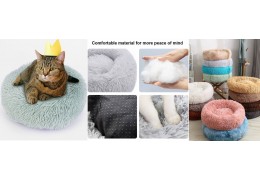
How to Choose the Right Bed Size for Your Cat
Choosing the right bed size for your cat is key to ensuring their comfort and well-being. This guide covers how to...
Read more
why to clean cat window perch
It is very important to clean the window sill because cats like a clean environment and hygiene to avoid any health...
Read more
what can we bring to your business
We are a world-renowned manufacturing company of the perch. We provide the best solution to your pets, especially...
Read more
How to remove the suction cup of a cat hammock
My cat hammock sucker is transparent, how to remove the vacuum sucker? How to remove the suction cup of a cat hammock?
Read more
How to clean the window perch?
Window perches are often overlooked in a busy cleaning routine, but they are an important part of keeping your dirt...
Read moreFeatured posts
Eco-Friendly Chew Resistant Dog Beds for Sustainable Pets
This guide explores the growing demand for eco-friendly chew resistant dog beds in 2026, highlighting durable...
Read more Choosing the Perfect Pet Bed to Match Your Home Décor
This guide helps homeowners and businesses choose pet beds that seamlessly blend with interior décor while...
Read more The Role of R&D in Pet Product Innovation
R&D is the engine behind pet product innovation. By working with an R&D pet factory and using custom design...
Read more How to Scale from 500 MOQ to 50K Units Smoothly
Scaling from 500 to 50K units in the pet industry requires the right strategy. With a scalable pet supplier, large...
Read more Inside a Modern Pet Product Factory: Quality You Can Trust
Modern pet factories combine automation, skilled workers, QC pet goods systems, and strict pet product testing to...
Read moreBlog tags
cat litter box perfect cat hammocks dog feeders automatic kitty litter box automatic water dispenser for cats best cat hammocks 2022 select the right cat bed for your cat slow feeder dog bowls teslin cuddling your cat buy a cat window perch for your cat cat window perch cat window perches petpawjoy cat window seat cat hair trimmer best window cat hammock interactive toys best pet product suppliers healthy cat window perch favorite cat window perch
Photo gallery
No featured images
Archived posts
Top authors

Labeling Requirements for Pet Products in the EU & US
Introduction: Why Labeling Compliance Matters for Pet Retailers
As pet ownership surges worldwide, customers are more conscious about what they feed and provide for their pets. Labels aren’t just decorative—they communicate critical safety and nutritional information. Businesses must meet pet product compliance requirements, follow pet label rules, and adhere to EU product labeling standards to operate in different markets. Proper labeling ensures transparency, builds trust, and enhances product credibility with both retailers and end consumers.
Understanding Global Pet Product Compliance Standards
The Basics of Pet Product Compliance
Pet product compliance involves meeting specific regulations for packaging, nutritional claims, health claims, and usage instructions. These rules protect consumers from misleading information and ensure product safety.
Differences Between EU and US Pet Label Rules
While both regions aim to protect pets and consumers, the pet label rules differ. The U.S. focuses heavily on guaranteed analysis and feeding instructions, while the EU requires multilingual packaging and stricter ingredient transparency.
The Role of EU Product Labeling in Market Access
To sell in European markets, companies must comply with EU product labeling regulations, which mandate nutritional content, additives disclosure, and appropriate language requirements across member states.
Challenges in Managing Pet Product Peak Season
Inventory Shortages and Stockouts
Failing to anticipate pet product peak season can lead to shortages, disappointing customers, and lost revenue.
Overproduction and Overstock Risks
Conversely, ordering too much stock can tie up capital and lead to storage issues, especially with perishable items like pet food.
Supply Chain Bottlenecks
Global logistics challenges—like shipping delays—can strain the ability to meet seasonal surges, making proactive planning crucial.
Providing these window perches will definitely help your cat to avoid separation, stress, and anxiety.
Labeling Requirements in the United States
Regulatory Bodies Governing Pet Products
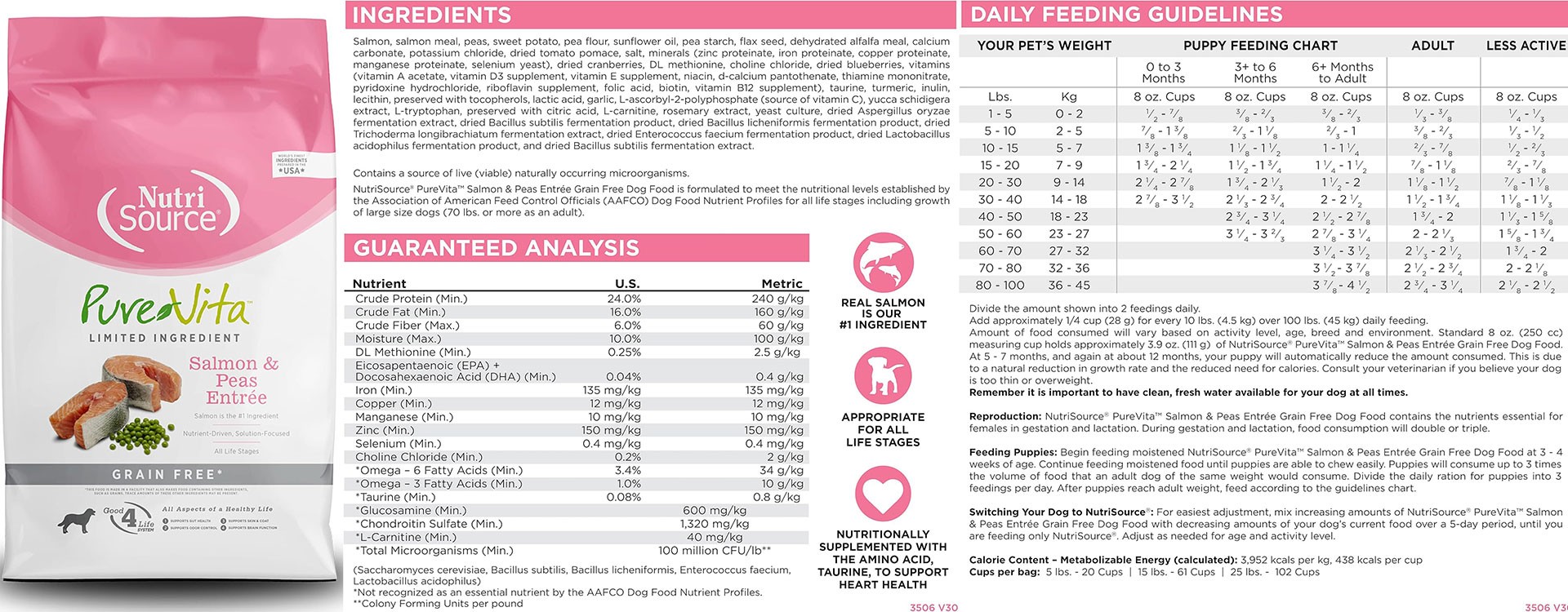
In the U.S., the FDA, USDA, and AAFCO (Association of American Feed Control Officials) oversee pet product compliance. AAFCO, in particular, sets standardized guidelines for pet food labeling.
Mandatory Information on Pet Food Labels
Pet food sold in the U.S. must display:
• Brand and product name
• Species-specific designation (dog, cat, etc.)
• Net weight
• Guaranteed analysis (protein, fat, fiber, moisture)
• Ingredient list
• Nutritional adequacy statement
• Feeding directions
• Manufacturer or distributor details
Labeling Rules for Pet Accessories & Non-Food Items
For toys, leashes, or pet beds, pet label rules focus on safety warnings, material disclosures, and proper usage instructions. Any claims (e.g., “eco-friendly” or “hypoallergenic”) must be verifiable.
Labeling Requirements in the European Union
Overview of EU Product Labeling Framework
The EU enforces stricter regulations under Regulation (EC) No 767/2009 for pet food and general consumer product safety laws. EU product labeling must be consistent across all 27 member states, often requiring multilingual packaging.
Nutritional & Ingredient Labeling for Pet Foods
Key requirements include:
• Clear ingredient breakdown
• Additives and preservatives disclosure
• Analytical constituents (protein, fat, fiber, ash, moisture)
• Intended animal species
• Feeding instructions
• Batch/lot numbers for traceability
Multilingual Packaging and Compliance Challenges
One of the biggest hurdles for exporters is adapting to EU product labeling rules requiring multiple languages. Retailers must ensure that all legally required information appears in the official language(s) of the destination country.
Common Challenges in Pet Product Labeling
Mislabeling Risks and Legal Penalties
Incorrect or misleading labeling is a direct violation of pet product compliance. Penalties range from fines to full recalls, severely impacting brand reputation.
Meeting Both EU and US Pet Label Rules
Global brands often face difficulties harmonizing pet label rules across markets. A label that meets U.S. standards might not satisfy EU product labeling requirements, requiring dual strategies.
The Cost of Non-Compliance in Global Markets
Beyond financial losses, non-compliance can erode customer trust, making it difficult for brands to recover in competitive markets.
Best Practices for Ensuring Pet Product Compliance
Transparent Ingredient Disclosure
Listing all ingredients clearly not only meets pet label rules but also helps gain consumer trust.
Clear Usage Instructions and Safety Warnings
Proper feeding instructions, dosage recommendations, and safety warnings reduce liability risks.
Sustainability Claims and Eco-Labeling
With eco-conscious consumers on the rise, claims like “biodegradable” or “organic” must be backed by certification under both U.S. and EU product labeling frameworks.
How Technology Supports Labeling Compliance
Digital Traceability and QR Codes
QR codes allow consumers to access extended product details—batch info, sourcing, and certifications—supporting pet product compliance.
Label Management Software
Automated software ensures labels align with pet label rules, reducing errors in printing and distribution.
Blockchain for Supply Chain Verification
Blockchain offers secure tracking of pet product origins, helping brands prove compliance with EU product labeling and sustainability claims.
Case Study: A Pet Brand Achieving Compliance Across Markets
A mid-sized pet food manufacturer entering both the U.S. and EU markets used label management software integrated with AI translation. This approach allowed them to comply with pet product compliance standards, follow local pet label rules, and ensure seamless EU product labeling in multiple languages. As a result, they expanded market reach while avoiding costly penalties.
Future Trends in Pet Product Labeling Regulations
• Stricter health claims verification in both the U.S. and EU.
• Digital-first labeling with QR codes replacing long ingredient lists.
• Sustainability-focused labeling as eco-friendly consumerism grows.
• Harmonization efforts for global pet product labeling to ease international trade.
Frequently Asked Questions (FAQs)
Q1: What is pet product compliance?
It refers to meeting legal and regulatory requirements for labeling and safety standards across different regions.
Q2: What are the key pet label rules in the U.S.?
They include guaranteed analysis, feeding instructions, ingredient lists, and clear manufacturer details.
Q3: Why is EU product labeling stricter than U.S. rules?
The EU mandates multilingual labeling, detailed ingredient transparency, and stricter claim verification to protect consumers.
Q4: What happens if a pet product fails compliance checks?
Brands may face fines, recalls, or even bans from certain markets.
Q5: How can wholesalers ensure global compliance?
By using label management technology, working with regulatory experts, and regularly updating their labels to meet both U.S. and EU standards.
Q6: Do non-food pet products also require strict labeling?
Yes. Accessories, toys, and grooming products must include safety warnings, usage instructions, and accurate material disclosures.
Conclusion: Building Trust Through Proper Labeling
Compliance with pet product compliance, pet label rules, and EU product labeling standards isn’t optional—it’s essential for building credibility and expanding into international markets. Retailers and wholesalers who stay ahead of evolving regulations not only avoid penalties but also gain consumer trust, leading to long-term success in a competitive industry.
Posted in: Everything About Pet