This guide explores the growing demand for eco-friendly chew resistant dog beds in 2026, highlighting durable...
Search in blog
Blog categories
Latest posts
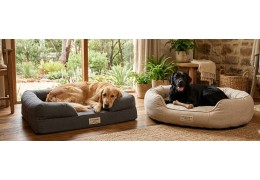
Eco-Friendly Chew Resistant Dog Beds for Sustainable Pets
Read more

Choosing the Perfect Pet Bed to Match Your Home Décor Read more
This guide helps homeowners and businesses choose pet beds that seamlessly blend with interior décor while...
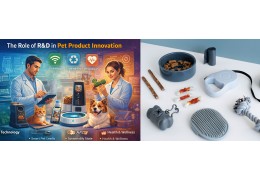
The Role of R&D in Pet Product Innovation Read more
R&D is the engine behind pet product innovation. By working with an R&D pet factory and using custom design...

How to Scale from 500 MOQ to 50K Units Smoothly Read more
Scaling from 500 to 50K units in the pet industry requires the right strategy. With a scalable pet supplier, large...
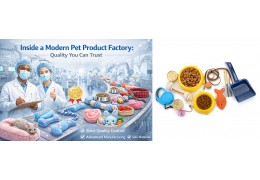
Inside a Modern Pet Product Factory: Quality You Can Trust Read more
Modern pet factories combine automation, skilled workers, QC pet goods systems, and strict pet product testing to...
Popular posts
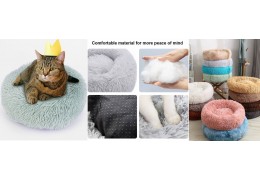
How to Choose the Right Bed Size for Your Cat
Choosing the right bed size for your cat is key to ensuring their comfort and well-being. This guide covers how to...
Read more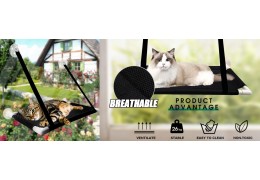
why to clean cat window perch
It is very important to clean the window sill because cats like a clean environment and hygiene to avoid any health...
Read more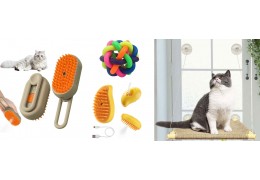
what can we bring to your business
We are a world-renowned manufacturing company of the perch. We provide the best solution to your pets, especially...
Read more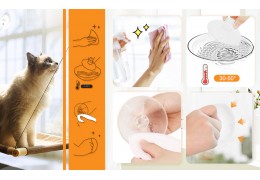
How to remove the suction cup of a cat hammock
My cat hammock sucker is transparent, how to remove the vacuum sucker? How to remove the suction cup of a cat hammock?
Read more
How to clean the window perch?
Window perches are often overlooked in a busy cleaning routine, but they are an important part of keeping your dirt...
Read moreFeatured posts
Eco-Friendly Chew Resistant Dog Beds for Sustainable Pets
This guide explores the growing demand for eco-friendly chew resistant dog beds in 2026, highlighting durable...
Read more Choosing the Perfect Pet Bed to Match Your Home Décor
This guide helps homeowners and businesses choose pet beds that seamlessly blend with interior décor while...
Read more The Role of R&D in Pet Product Innovation
R&D is the engine behind pet product innovation. By working with an R&D pet factory and using custom design...
Read more How to Scale from 500 MOQ to 50K Units Smoothly
Scaling from 500 to 50K units in the pet industry requires the right strategy. With a scalable pet supplier, large...
Read more Inside a Modern Pet Product Factory: Quality You Can Trust
Modern pet factories combine automation, skilled workers, QC pet goods systems, and strict pet product testing to...
Read moreBlog tags
cat litter box perfect cat hammocks dog feeders automatic kitty litter box automatic water dispenser for cats best cat hammocks 2022 select the right cat bed for your cat slow feeder dog bowls teslin cuddling your cat buy a cat window perch for your cat cat window perch cat window perches petpawjoy cat window seat cat hair trimmer best window cat hammock interactive toys best pet product suppliers healthy cat window perch favorite cat window perch
Photo gallery
No featured images
Archived posts
Top authors

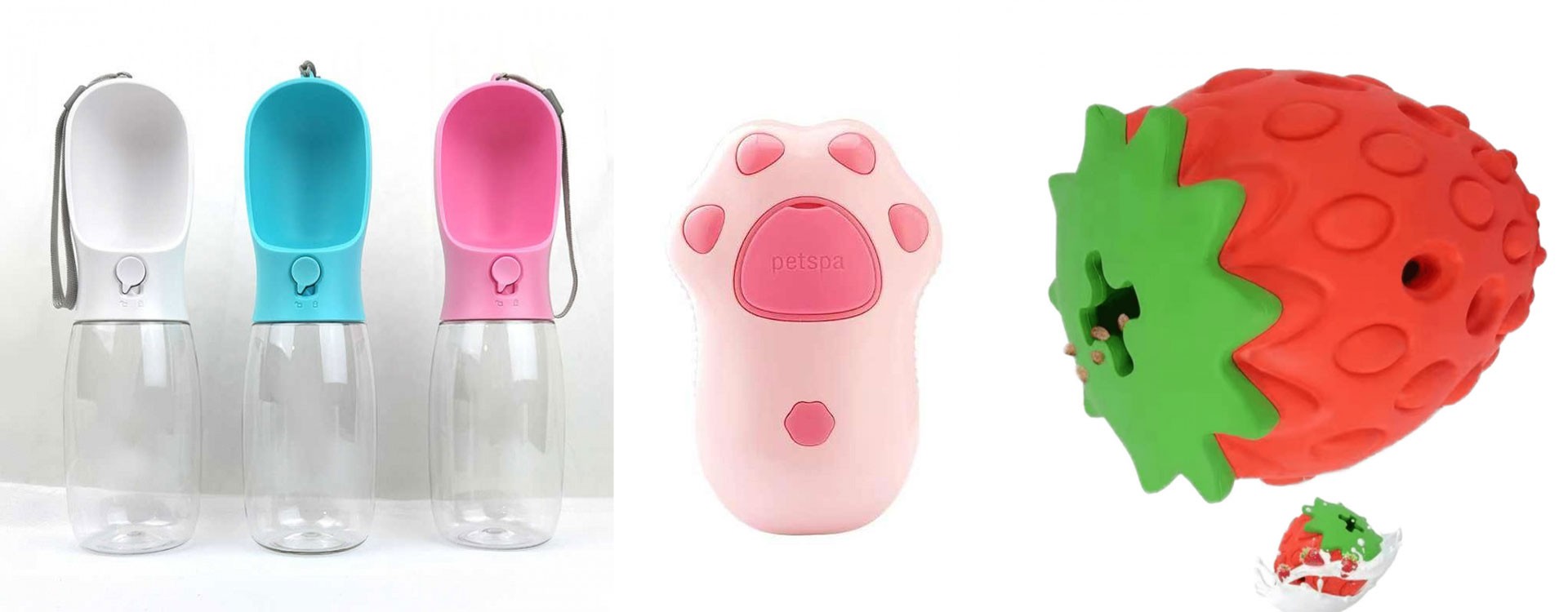
The Impact of Material Choice on Pet Product Durability
When it comes to designing pet products that last, material selection is everything. Today’s pet brands are paying close attention to pet-safe materials, and leading retailers are demanding products like TPR dog toys and BPA-free pet products to ensure both safety and longevity. As consumer awareness grows, durability is no longer just a bonus—it’s a baseline expectation. In this article, we’ll break down why material matters, which options perform best, and how choosing the right materials impacts both product life span and customer trust.
Why Material Durability Matters in the Pet Industry
Pets chew, scratch, gnaw, and drag their toys and accessories everywhere. Durability isn’t just about value—it’s about safety, satisfaction, and sustainability.
Key Reasons:
• Safety: Poorly made toys can splinter or break into sharp pieces. Only pet-safe materials prevent injury.
• Customer retention: Durable products reduce returns and boost brand reputation.
• Eco-impact: Long-lasting products reduce waste, a growing concern among environmentally conscious consumers.
• Regulatory compliance: The EU, U.S., and many other markets are cracking down on toxic materials, especially for BPA-free pet products.
Whether you're making toys, feeding bowls, or grooming tools, using the right materials is the foundation of success.
Spotlight on: TPR Dog Toys
TPR (Thermoplastic Rubber) is quickly becoming the material of choice for durable pet toys, and for good reason.
What Is TPR?
TPR is a hybrid material that blends the qualities of rubber and plastic. It’s soft yet strong, flexible but resilient.
Benefits of TPR Dog Toys:
• High durability: TPR resists tears, even from aggressive chewers.
• Non-toxic & tasteless: Great for pet-safe materials compliance.
• Bounce & stretch: Dogs love the texture and play dynamics.
• Customizable: Easily molded into bones, balls, rings, and puzzle toys.
As consumers shift away from cheap PVC products, offering TPR dog toys positions your brand as modern, thoughtful, and safe.
The Role of BPA-Free Pet Products in Building Trust
Consumers are increasingly looking for BPA-free pet products, especially in bowls, feeders, bottles, and toys.
Why Avoid BPA?
• BPA (Bisphenol A) is an industrial chemical used in plastics that can leach into food and water.
• Linked to hormonal disruption in both humans and animals.
• Banned in many baby products—now under scrutiny in the pet industry.
Where BPA Can Hide:
• Plastic food bowls
• Water dispensers
• Treat containers
• Chew toys
Using BPA-free pet products not only avoids health risks but also earns the trust of concerned pet parents—especially millennial and Gen Z shoppers.
Popular Pet-Safe Materials to Consider
For brands developing new products or expanding existing lines, these pet-safe materials strike the balance between safety and strength:
Material | Best For | Features |
TPR | Toys | Chew-resistant, flexible, recyclable |
Silicone | Bowls, mats, grooming tools | BPA-free, food-safe, heat-resistant |
Stainless Steel | Food bowls | Hygienic, rust-proof, long-lasting |
Natural Rubber | Tough toys | Durable, non-toxic, eco-friendly |
Cotton Rope | Tug toys, soft chews | Digestible, gentle on teeth |
Ceramic | Bowls, feeders | Non-porous, stylish, heavy/stable |
By sourcing high-quality pet-safe materials, manufacturers ensure their products meet modern durability standards.
How Material Impacts Product Performance
1. Longevity
Materials like TPR and stainless steel outlast traditional plastics or cheap foam. This reduces the frequency of replacement and boosts customer satisfaction.
2. Safety
Pet-safe materials like BPA-free silicone or food-grade rubber don’t leach chemicals or shatter. They’re safe for daily use—even if chewed.
3. Functionality
Materials like TPR offer superior flexibility for toys, while stainless steel ensures stability in feeding bowls. Choosing the right material enhances the product’s utility.
4. Brand Perception
Products made from BPA-free pet products or eco-certified rubber are seen as more premium, justifying higher retail prices.
Case Study: How a Material Upgrade Doubled Sales
A mid-sized European pet brand shifted from PVC chew bones to TPR dog toys in 2024. They introduced bright, flexible toys with added grooves for dental benefits. Within six months:
• Return rate dropped by 42%
• Customer reviews surged with positive mentions of “durable,” “safe,” and “long-lasting”
• A major EU retailer added the product to 200 stores
The switch to pet-safe materials directly impacted the brand’s growth and reputation.
Sustainability Meets Durability
In 2025, sustainability and durability go hand-in-hand. Using TPR dog toys and BPA-free pet products isn’t just about performance—it’s about the planet.
What Makes a Pet Product Sustainable?
• Recyclability: Materials like TPR and silicone can often be recycled.
• Biodegradability: Natural rubber and organic cotton decompose over time.
• Longevity: Durable products reduce overall consumption and waste.
Offering a line of sustainable pet-safe materials shows responsibility and resonates with eco-minded consumers.
Customization Potential by Material Type
Choosing the right material also determines how flexible your product line can be in terms of design, branding, and expansion.
TPR
• Ideal for logos, brand colors, and unique shapes.
• Works with squeakers and dental inserts.
Silicone
• Can be molded into collapsible bowls, mats, grooming gloves.
• Excellent for travel or minimalist designs.
Stainless Steel
• Great for embossed branding or laser-engraved logos.
• Often used in BPA-free pet products paired with silicone grips or bases.
Choose materials based on what you want to offer long-term—not just the initial product.
What Retail Buyers Want in 2025
If you’re manufacturing pet products for retail, wholesalers and chain buyers are already asking about:
• Is this made with pet-safe materials?
• Can you guarantee these are BPA-free pet products?
• Are these toys made from TPR or safer alternatives?
• How durable are they in real-world testing?
These are no longer bonus features—they’re baseline requirements.
Tip for Manufacturers:
Create sell sheets that highlight “TPR dog toys,” “BPA-free pet products,” and “Made with certified pet-safe materials.” Retail buyers love clear specs and certification stamps.
Quality Assurance & Testing for Durability
To validate your claims and build buyer trust:
1. Conduct tensile and tear tests on TPR dog toys.
2. Perform chew-cycle simulations on toy prototypes.
3. Certify bowls and containers as BPA-free pet products with SGS or TÜV.
4. Include documentation and batch traceability for all pet-safe materials.
5. Durability must be proven—not assumed.
Final Thoughts:
Material choice is no longer just a production decision—it’s a strategic brand move. Whether you’re designing next-gen TPR dog toys, expanding into BPA-free pet products, or upgrading to truly pet-safe materials, the benefits go far beyond durability.
1-You’ll build safer, longer-lasting products.
2-You’ll reduce returns and boost customer trust.
3-You’ll future-proof your brand against regulatory changes.
4-And most importantly, you’ll stand out in a saturated market.
Ready to develop pet products that last—and sell? Our team can help you source the right pet-safe materials, design high-performance TPR dog toys, and guarantee compliance for BPA-free pet products across all markets.
Posted in: Everything About Pet