This guide explores the growing demand for eco-friendly chew resistant dog beds in 2026, highlighting durable...
Search in blog
Blog categories
Latest posts
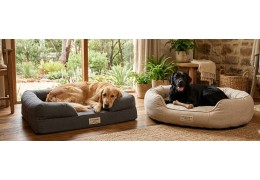
Eco-Friendly Chew Resistant Dog Beds for Sustainable Pets
Read more

Choosing the Perfect Pet Bed to Match Your Home Décor Read more
This guide helps homeowners and businesses choose pet beds that seamlessly blend with interior décor while...
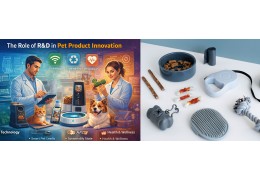
The Role of R&D in Pet Product Innovation Read more
R&D is the engine behind pet product innovation. By working with an R&D pet factory and using custom design...
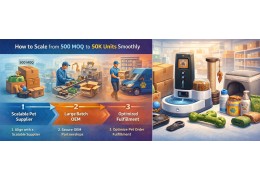
How to Scale from 500 MOQ to 50K Units Smoothly Read more
Scaling from 500 to 50K units in the pet industry requires the right strategy. With a scalable pet supplier, large...
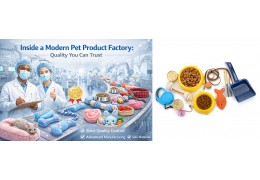
Inside a Modern Pet Product Factory: Quality You Can Trust Read more
Modern pet factories combine automation, skilled workers, QC pet goods systems, and strict pet product testing to...
Popular posts
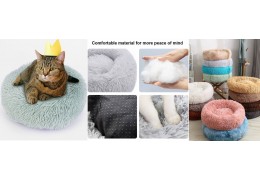
How to Choose the Right Bed Size for Your Cat
Choosing the right bed size for your cat is key to ensuring their comfort and well-being. This guide covers how to...
Read more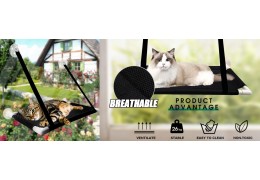
why to clean cat window perch
It is very important to clean the window sill because cats like a clean environment and hygiene to avoid any health...
Read more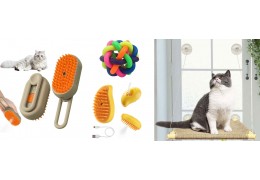
what can we bring to your business
We are a world-renowned manufacturing company of the perch. We provide the best solution to your pets, especially...
Read more
How to remove the suction cup of a cat hammock
My cat hammock sucker is transparent, how to remove the vacuum sucker? How to remove the suction cup of a cat hammock?
Read more
How to clean the window perch?
Window perches are often overlooked in a busy cleaning routine, but they are an important part of keeping your dirt...
Read moreFeatured posts
Eco-Friendly Chew Resistant Dog Beds for Sustainable Pets
This guide explores the growing demand for eco-friendly chew resistant dog beds in 2026, highlighting durable...
Read more Choosing the Perfect Pet Bed to Match Your Home Décor
This guide helps homeowners and businesses choose pet beds that seamlessly blend with interior décor while...
Read more The Role of R&D in Pet Product Innovation
R&D is the engine behind pet product innovation. By working with an R&D pet factory and using custom design...
Read more How to Scale from 500 MOQ to 50K Units Smoothly
Scaling from 500 to 50K units in the pet industry requires the right strategy. With a scalable pet supplier, large...
Read more Inside a Modern Pet Product Factory: Quality You Can Trust
Modern pet factories combine automation, skilled workers, QC pet goods systems, and strict pet product testing to...
Read moreBlog tags
select the right cat bed for your cat slow feeder dog bowls dog feeders perfect cat hammocks buy a cat window perch for your cat favorite cat window perch cat hair trimmer cat window perches best window cat hammock teslin cat window perch petpawjoy cat window seat automatic kitty litter box healthy cat window perch automatic water dispenser for cats best cat hammocks 2022 cuddling your cat cat litter box interactive toys best pet product suppliers
Photo gallery
No featured images
Archived posts
Top authors

Top Certifications That Matter in Pet Product Wholesale
When sourcing reliable partners in the global pet industry, certifications are non-negotiable. Today’s buyers prioritize working with a BSCI pet factory, an ISO pet supplier, and manufacturers that meet pet CE certification standards. These certifications are not just logos on packaging—they signal compliance, ethical practices, safety, and global competitiveness. For wholesalers, importers, and retailers, understanding which certifications matter most can determine long-term success.
Why Certifications Are Critical in Pet Product Wholesale
The pet care industry is projected to surpass hundreds of billions of dollars in global sales in the coming years. But growth brings responsibility. Consumers are more cautious about safety, sustainability, and labor practices. Certifications like BSCI pet factory, ISO pet supplier, and pet CE certification provide assurance that products meet international benchmarks.
Certifications benefit wholesale businesses by:
• Reducing risk: Compliance lowers the chance of recalls, penalties, or reputational damage.
• Building trust: Retailers can confidently market products backed by recognized standards.
• Ensuring global market access: Many regions legally require certifications like CE for imports.
• Promoting sustainability: Certifications prove a company’s commitment to responsible sourcing.
The Role of BSCI in Ethical Manufacturing
A BSCI pet factory (Business Social Compliance Initiative) goes beyond product quality—it reflects how products are made. BSCI focuses on labor conditions, workers’ rights, and responsible sourcing across the supply chain.
Key benefits of BSCI certification:
• Ethical sourcing: Factories follow fair wage, safety, and working-hour standards.
• Transparency: Wholesalers and retailers gain visibility into manufacturing practices.
• Reputation protection: Brands avoid backlash tied to unethical supply chains.
In an age where consumers are concerned about how products are made, choosing a BSCI pet factory is no longer optional—it’s essential.
ISO Standards: Why They Matter for Pet Suppliers
An ISO pet supplier demonstrates adherence to globally recognized quality management systems. ISO (International Organization for Standardization) provides frameworks for ensuring consistency, safety, and customer satisfaction.
Relevant ISO certifications in the pet industry include:
• ISO 9001 – Quality management: Ensures products consistently meet customer and regulatory requirements.
• ISO 14001 – Environmental management: Confirms commitment to sustainability and eco-friendly practices.
• ISO 22000 – Food safety: Essential for suppliers of pet treats, supplements, or consumables.
Working with an ISO pet supplier provides wholesalers confidence in reliability, scalability, and compliance across multiple markets.
Understanding CE Certification for Pet Products
A pet CE certification is mandatory for products entering the European market. The CE mark indicates a product complies with EU health, safety, and environmental protection standards. While often associated with electronics or toys, many pet products also require CE marking.
Examples of pet items needing CE certification:
• Pet toys (considered similar to children’s toys in terms of safety).
• Electrical grooming tools like dryers or clippers.
• Wearable devices such as GPS collars.
• Why it matters:
• Legal compliance: Without CE, products cannot be sold in Europe.
• Consumer confidence: Buyers trust CE-marked products more.
• Global competitiveness: CE certification often opens doors beyond Europe.
For wholesalers targeting European distribution, verifying pet CE certification is non-negotiable.
Combining Certifications for Maximum Market Reach
The strongest suppliers often hold multiple certifications. A BSCI pet factory that also operates as an ISO pet supplier and provides pet CE certification ensures comprehensive compliance. This multi-layered approach signals:
• Ethical production (BSCI).
• Consistent quality (ISO).
• Regulatory access (CE).
Retailers and distributors sourcing from suppliers with this triple assurance are better positioned for international growth and fewer operational risks.
How to Verify Supplier Certifications
While many suppliers advertise certifications, due diligence is crucial. Retailers must:
1. Request official documentation – Always ask for certificates, not just logos on a website.
2. Check validity – Verify if the certification is current and issued by a recognized body.
3. Audit practices – For large wholesale orders, consider third-party inspections.
4. Confirm scope – Ensure the certification applies specifically to pet products, not unrelated categories.
By verifying compliance, businesses avoid sourcing from unreliable manufacturers.
Market Trends Driving Certification Demand
Several macro trends are making certifications more important than ever in pet wholesale:
1. Consumer Awareness – Shoppers want proof of safety and sustainability.
2. Regulatory Pressure – Governments tighten safety and labor laws, making pet CE certification and ISO pet supplier status mandatory for many markets.
3. E-commerce Expansion – Online platforms like Amazon increasingly require proof of certifications before listing.
4. Sustainability Goals – Retailers prefer a BSCI pet factory partner to align with ESG (Environmental, Social, Governance) objectives.
Regional Certification Requirements
Different markets emphasize different certifications:
• Europe: CE certification is essential for many pet products.
• North America: Emphasis on ISO compliance, plus FDA standards for consumables.
• Asia-Pacific: Rising demand for BSCI compliance as global retailers source from the region.
• Middle East & Latin America: Increasing preference for certified suppliers to ensure import approval.
Retailers targeting multiple markets must ensure suppliers meet diverse certification requirements simultaneously.
The Competitive Edge of Certified Suppliers
In wholesale, certifications are more than compliance—they’re a sales advantage. A supplier advertising BSCI pet factory, ISO pet supplier, and pet CE certification credentials can:
• Command higher trust: Certified suppliers attract premium retail partners.
• Close deals faster: Certifications reduce due diligence time.
• Expand market access: Enter restricted regions with fewer barriers.
• Improve brand image: Align with consumer expectations for safety and ethics.
For wholesalers, certification-backed suppliers become long-term partners, not just vendors.
Conclusion
As the pet industry continues rapid global expansion, certifications define which suppliers lead and which are left behind. Partnering with a BSCI pet factory, sourcing from an ISO pet supplier, and ensuring pet CE certification compliance are now essential steps for wholesale success.
For retailers and distributors, certifications are more than paperwork—they’re guarantees of ethical production, product quality, and legal access to global markets. In 2026 and beyond, certifications will remain a powerful differentiator in the competitive pet product wholesale landscape.
Posted in: Everything About Pet