This guide explores the growing demand for eco-friendly chew resistant dog beds in 2026, highlighting durable...

Search in blog
Blog categories
Latest posts
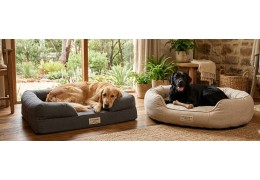
Eco-Friendly Chew Resistant Dog Beds for Sustainable Pets
Read more

Choosing the Perfect Pet Bed to Match Your Home Décor Read more
This guide helps homeowners and businesses choose pet beds that seamlessly blend with interior décor while...
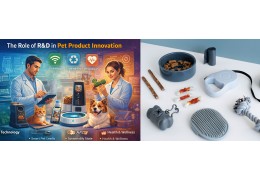
The Role of R&D in Pet Product Innovation Read more
R&D is the engine behind pet product innovation. By working with an R&D pet factory and using custom design...

How to Scale from 500 MOQ to 50K Units Smoothly Read more
Scaling from 500 to 50K units in the pet industry requires the right strategy. With a scalable pet supplier, large...

Inside a Modern Pet Product Factory: Quality You Can Trust Read more
Modern pet factories combine automation, skilled workers, QC pet goods systems, and strict pet product testing to...
Popular posts

How to Choose the Right Bed Size for Your Cat
Choosing the right bed size for your cat is key to ensuring their comfort and well-being. This guide covers how to...
Read more
why to clean cat window perch
It is very important to clean the window sill because cats like a clean environment and hygiene to avoid any health...
Read more
what can we bring to your business
We are a world-renowned manufacturing company of the perch. We provide the best solution to your pets, especially...
Read more
How to remove the suction cup of a cat hammock
My cat hammock sucker is transparent, how to remove the vacuum sucker? How to remove the suction cup of a cat hammock?
Read more
How to clean the window perch?
Window perches are often overlooked in a busy cleaning routine, but they are an important part of keeping your dirt...
Read moreFeatured posts
Eco-Friendly Chew Resistant Dog Beds for Sustainable Pets
This guide explores the growing demand for eco-friendly chew resistant dog beds in 2026, highlighting durable...
Read more Choosing the Perfect Pet Bed to Match Your Home Décor
This guide helps homeowners and businesses choose pet beds that seamlessly blend with interior décor while...
Read more The Role of R&D in Pet Product Innovation
R&D is the engine behind pet product innovation. By working with an R&D pet factory and using custom design...
Read more How to Scale from 500 MOQ to 50K Units Smoothly
Scaling from 500 to 50K units in the pet industry requires the right strategy. With a scalable pet supplier, large...
Read more Inside a Modern Pet Product Factory: Quality You Can Trust
Modern pet factories combine automation, skilled workers, QC pet goods systems, and strict pet product testing to...
Read moreBlog tags
select the right cat bed for your cat slow feeder dog bowls dog feeders perfect cat hammocks buy a cat window perch for your cat favorite cat window perch cat hair trimmer cat window perches best window cat hammock teslin cat window perch petpawjoy cat window seat automatic kitty litter box healthy cat window perch automatic water dispenser for cats best cat hammocks 2022 cuddling your cat cat litter box interactive toys best pet product suppliers
Photo gallery
No featured images
Archived posts
Top authors


Warehouse Integration Tips for Large Pet Retailers
Introduction: Why Warehouse Integration Matters for Pet Retailers
The pet industry has exploded over the past decade, with more households adopting pets and demanding high-quality food, toys, and wellness products. As retailers scale, they face massive operational hurdles: handling thousands of SKUs, ensuring timely deliveries, and preventing waste or shortages. Warehouse integration offers a solution by unifying bulk pet inventory, streamlining pet warehouse fulfillment, and improving wholesale pet logistics efficiency across multiple locations.
Understanding the Challenges of Large-Scale Pet Retail Operations
Managing Bulk Pet Inventory Efficiently
One of the toughest challenges in pet retail is handling bulk pet inventory. From kibble and treats to bedding and aquariums, retailers must juggle product freshness, expiration dates, and seasonal demand. Without integration, stock mismanagement can lead to costly losses.
The Complexity of Pet Warehouse Fulfillment
Pet warehouse fulfillment involves more than just shipping boxes. It requires temperature-controlled storage, careful handling of fragile items like aquariums, and managing returns efficiently. Errors here can damage brand reputation and lead to customer dissatisfaction.
Streamlining Wholesale Pet Logistics
When dealing with multiple suppliers, large retailers must ensure wholesale pet logistics runs smoothly. Delays in raw materials, packaging, or transport can create bottlenecks. A well-integrated system ensures seamless supplier coordination and timely deliveries.
The Role of Technology in Warehouse Integration
Automated Inventory Tracking Systems
RFID tags, barcode scanners, and real-time inventory dashboards give retailers visibility into their stock at any given moment, minimizing errors in bulk pet inventory tracking.
Smart Order Fulfillment Solutions
Modern systems prioritize orders, allocate stock automatically, and provide real-time updates, improving pet warehouse fulfillment accuracy.
Warehouse Management Software (WMS) for Retailers
WMS platforms connect all warehouse operations—inventory, shipping, and labor management—helping optimize wholesale pet logistics.
Optimizing Bulk Pet Inventory Management
Stock Rotation & Freshness Tracking
Pet food, treats, and supplements have strict expiration dates. Integrated systems allow automated stock rotation to prevent waste.
Forecasting Demand for Pet Products
AI-driven demand forecasting helps retailers predict seasonal spikes (like holiday sales or summer flea treatments). This ensures the right balance of bulk pet inventory without overstocking.
Reducing Overstock and Stockouts
Smart systems alert managers when inventory is running low or when excess stock risks expiration. This balance supports efficient pet warehouse fulfillment and logistics.
Streamlining Pet Warehouse Fulfillment Processes
Picking & Packing Automation
Robotic pickers and conveyor belt systems can reduce manual errors and accelerate pet warehouse fulfillment.
Order Accuracy and Speed Improvements
Integrated scanning ensures each product matches the order, reducing customer complaints and costly returns.
Integration with Retail POS & E-commerce Platforms
When the warehouse links directly with POS systems, customers see real-time availability—boosting trust and increasing conversions.
Enhancing Wholesale Pet Logistics for Large Retail Chains
Centralized Distribution vs. Regional Warehousing
Retailers must decide between one central hub or multiple regional warehouses. Regional facilities often speed up wholesale pet logistics by cutting delivery times.
Optimizing Last-Mile Delivery for Pet Products
The “last mile” is often the most expensive. Efficient routing software ensures pet supplies reach customers faster and cheaper.
Partnering with Reliable Logistics Providers
Choosing third-party providers with experience in bulk pet inventory and retail fulfillment ensures consistent quality and cost savings.
Best Practices for Smooth Warehouse Integration
Data-Driven Decision Making
Analytics help identify bottlenecks in pet warehouse fulfillment and optimize delivery routes.
Employee Training and Workflow Optimization
Staff must be trained to use automated systems for maximum efficiency.
Sustainability in Pet Supply Logistics
Green logistics—like recyclable packaging and fuel-efficient delivery fleets—enhances brand reputation while cutting costs.
Case Study: Successful Warehouse Integration for a Large Pet Retailer
A leading U.S. pet retail chain adopted an AI-powered warehouse management system to manage bulk pet inventory across five regional warehouses. Within a year, they reduced order errors by 30%, cut delivery times by 40%, and improved customer satisfaction scores dramatically.
Future Trends in Warehouse Integration for the Pet Industry
• AI-driven demand forecasting for pet warehouse fulfillment
• Drone deliveries for faster last-mile solutions
• Blockchain tracking for secure wholesale pet logistics
Frequently Asked Questions (FAQs)
Q1: What is the biggest challenge in managing bulk pet inventory?
The main challenge is balancing product freshness with stock levels while preventing overstock or shortages.
Q2: How does warehouse integration improve pet warehouse fulfillment?
It automates order tracking, reduces errors, and accelerates delivery times.
Q3: What role does technology play in wholesale pet logistics?
Technology ensures real-time visibility, improves route optimization, and strengthens supplier coordination.
Q4: Should large retailers use centralized or regional warehouses?
Regional warehouses often provide faster delivery, but centralized hubs can reduce overhead costs.
Q5: How can retailers forecast demand more accurately?
AI-based demand planning tools analyze past trends, seasonal spikes, and consumer behavior.
Q6: Is sustainability possible in pet supply chain logistics?
Yes, eco-friendly packaging, optimized delivery routes, and energy-efficient warehouses reduce environmental impact.
Conclusion: Building Scalable and Efficient Pet Retail Operations
Large pet retailers face increasing complexity in handling bulk pet inventory, ensuring smooth pet warehouse fulfillment, and managing wholesale pet logistics. By embracing warehouse integration, leveraging technology, and following best practices, retailers can achieve scalability, efficiency, and customer loyalty in a competitive market.
Posted in: Everything About Pet