This guide explores the growing demand for eco-friendly chew resistant dog beds in 2026, highlighting durable...
Search in blog
Blog categories
Latest posts
Eco-Friendly Chew Resistant Dog Beds for Sustainable Pets
Read more

Choosing the Perfect Pet Bed to Match Your Home Décor Read more
This guide helps homeowners and businesses choose pet beds that seamlessly blend with interior décor while...
The Role of R&D in Pet Product Innovation Read more
R&D is the engine behind pet product innovation. By working with an R&D pet factory and using custom design...
How to Scale from 500 MOQ to 50K Units Smoothly Read more
Scaling from 500 to 50K units in the pet industry requires the right strategy. With a scalable pet supplier, large...
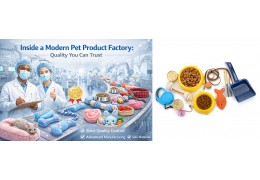
Inside a Modern Pet Product Factory: Quality You Can Trust Read more
Modern pet factories combine automation, skilled workers, QC pet goods systems, and strict pet product testing to...
Popular posts
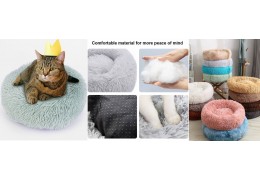
How to Choose the Right Bed Size for Your Cat
Choosing the right bed size for your cat is key to ensuring their comfort and well-being. This guide covers how to...
Read more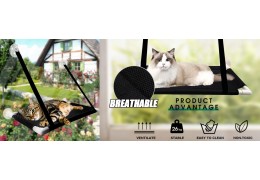
why to clean cat window perch
It is very important to clean the window sill because cats like a clean environment and hygiene to avoid any health...
Read more
what can we bring to your business
We are a world-renowned manufacturing company of the perch. We provide the best solution to your pets, especially...
Read more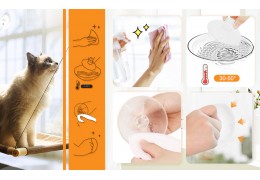
How to remove the suction cup of a cat hammock
My cat hammock sucker is transparent, how to remove the vacuum sucker? How to remove the suction cup of a cat hammock?
Read more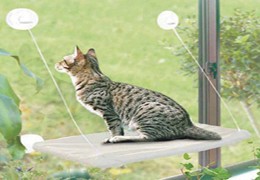
How to clean the window perch?
Window perches are often overlooked in a busy cleaning routine, but they are an important part of keeping your dirt...
Read moreFeatured posts
Eco-Friendly Chew Resistant Dog Beds for Sustainable Pets
This guide explores the growing demand for eco-friendly chew resistant dog beds in 2026, highlighting durable...
Read more Choosing the Perfect Pet Bed to Match Your Home Décor
This guide helps homeowners and businesses choose pet beds that seamlessly blend with interior décor while...
Read more The Role of R&D in Pet Product Innovation
R&D is the engine behind pet product innovation. By working with an R&D pet factory and using custom design...
Read more How to Scale from 500 MOQ to 50K Units Smoothly
Scaling from 500 to 50K units in the pet industry requires the right strategy. With a scalable pet supplier, large...
Read more Inside a Modern Pet Product Factory: Quality You Can Trust
Modern pet factories combine automation, skilled workers, QC pet goods systems, and strict pet product testing to...
Read moreBlog tags
select the right cat bed for your cat slow feeder dog bowls dog feeders perfect cat hammocks buy a cat window perch for your cat favorite cat window perch cat hair trimmer cat window perches best window cat hammock teslin cat window perch petpawjoy cat window seat automatic kitty litter box healthy cat window perch automatic water dispenser for cats best cat hammocks 2022 cuddling your cat cat litter box interactive toys best pet product suppliers
Photo gallery
No featured images
Archived posts
Top authors

Why Millennials Are Driving Demand for Custom Pet Products
The pet industry is evolving rapidly, and one of the strongest forces behind this shift is the new generation of pet owners. Millennial pet buyers, together with the rising influence of Gen Z pet trends, are transforming what it means to care for cats and dogs in today’s world. From eco-friendly packaging to tech-integrated toys, modern pet product design is no longer just about functionality—it’s about identity, lifestyle, and emotional connection. This transformation is reshaping wholesale opportunities, customization options, and brand strategies for businesses worldwide.
Millennials and Pets: A Powerful Market Force
Millennials, born between 1981 and 1996, have now become the largest group of pet owners. In fact, over 70% of Millennials own at least one pet, and they treat their furry companions as part of the family. Unlike previous generations, millennial pet buyers don’t just want standard collars, bowls, or leashes. They look for products that reflect personal style, sustainability, and innovation.
Custom pet products—whether it’s a monogrammed dog harness, a color-coordinated cat bed, or a personalized feeding station—fit perfectly into this generation’s lifestyle. For wholesalers, this demand is not a passing fad but a long-term trend that is creating countless opportunities to serve retailers and e-commerce sellers who want unique SKUs that attract loyal, repeat customers.
The Influence of Gen Z Pet Trends
While Millennials are driving the largest share of the market, the youngest generation of pet parents, Gen Z, is shaping what’s next. Gen Z pet trends focus heavily on inclusivity, sustainability, and digital engagement. This group is deeply influenced by social media platforms like TikTok and Instagram, where pet fashion, grooming hacks, and DIY customization ideas go viral daily.
For example, Gen Z loves subscription boxes that deliver fresh, curated pet products monthly. They are also pushing for more “Instagrammable” designs—think pastel feeding mats, quirky-shaped toys, and customizable outfits that match their own clothing styles. Wholesale distributors that follow Gen Z pet trends are finding high demand in the influencer-driven e-commerce space, where young consumers expect products that look good both online and offline.
What Makes Modern Pet Product Design Different
The heart of the change lies in modern pet product design. Unlike traditional offerings, today’s designs combine three essential factors:
1. Aesthetic appeal – Products are expected to look stylish in the home, often matching human fashion or interior design themes.
2. Functionality and safety – Items like collapsible bowls for travel or ergonomic leashes enhance both convenience and comfort.
3. Sustainability – Eco-friendly materials such as bamboo, recycled fabrics, and biodegradable packaging appeal strongly to millennial pet buyers.
A well-executed modern pet product design not only satisfies practical needs but also creates a sense of personalization that strengthens the emotional bond between owner and pet. For wholesalers, this means investing in versatile product lines that can be easily customized and marketed across multiple demographics.
Why Customization Appeals to Millennials and Gen Z
Customization is not new, but the way it has been integrated into the pet industry is revolutionary. Millennial pet buyers want products that align with their lifestyles, while Gen Z thrives on individuality and online sharing. Some leading examples of popular customized items include:
• Personalized collars and tags with pet names and unique fonts
• Custom pet clothing that matches seasonal fashion trends
• Made-to-order feeding bowls with stylish colors and engraved details
• Photo-based products such as pillows or blankets printed with pet images
The personalization trend also increases customer loyalty. When buyers can order a unique product that no one else has, they are more likely to return to the same retailer or wholesaler. This directly benefits distributors who can supply these high-demand customizable SKUs at scale.
The Rise of Pet Humanization
One of the main drivers behind this shift is the ongoing “pet humanization” trend. Pets are no longer just animals—they are considered family members. Millennials and Gen Z are willing to spend extra money to give their pets better nutrition, higher quality grooming tools, and accessories that reflect a modern lifestyle.
For wholesalers, understanding the psychology of millennial pet buyers is critical. These customers are not price-sensitive in the same way as older generations. Instead, they are value-sensitive: they will pay more for a leash made from vegan leather than a generic nylon leash, because it aligns with their personal ethics. This mindset is creating new categories for businesses to explore, such as sustainable, organic, or tech-integrated product lines.
Digital Platforms Amplify Trends
Social media has become the megaphone of the pet industry. Platforms like TikTok, YouTube, and Instagram are flooded with pet content, from unboxing videos to pet fashion showcases. Gen Z pet trends spread faster than ever before because of this digital exposure.
Brands that design products with social media in mind—such as brightly colored toys, unique pet beds, or matching outfits—gain viral attention, driving more sales for wholesalers and retailers alike. A single video featuring a cat playing in a personalized toy house can spark thousands of purchase requests overnight.
Wholesale Opportunities in the Custom Pet Market
The demand for modern pet product design opens a wealth of opportunities for wholesalers. By offering customizable options and keeping a finger on the pulse of Gen Z pet trends and millennial pet buyers’ expectations, wholesalers can establish themselves as leaders in this growing market.
Key wholesale strategies include:
Bulk customization – Partnering with retailers to create large runs of personalized products that can still be adapted to different customer needs.
Private labeling – Supplying retailers with customizable designs that they can brand as their own.
Eco-friendly wholesale options – Providing sustainable materials and packaging to appeal to ethically conscious buyers.
Trend forecasting – Staying ahead of design, fashion, and lifestyle trends that influence both Millennials and Gen Z.
The Future of Pet Products: Tech Meets Style
Looking forward, modern pet product design will increasingly merge with technology. From GPS-enabled collars to smart feeders connected to mobile apps, digital integration is becoming a standard expectation. Millennial pet buyers want products that save time and increase safety, while Gen Z is likely to drive demand for gamified and interactive products.
For wholesalers, this creates a need to partner with manufacturers who can deliver not just physical goods, but smart solutions that align with consumer lifestyles.
Conclusion
The pet industry is entering an exciting era shaped by millennial pet buyers, Gen Z pet trends, and modern pet product design. This shift is not only changing what products are sold but also how they are marketed, customized, and consumed. For wholesale businesses, the message is clear: staying relevant means embracing customization, sustainability, and design innovation.
Pet owners today are not just looking for functionality—they are looking for identity, personalization, and connection. Wholesalers who recognize this will not only meet current demand but also future-proof their businesses in a rapidly evolving global market.
Posted in: Everything About Pet