This guide explores the growing demand for eco-friendly chew resistant dog beds in 2026, highlighting durable...
Search in blog
Blog categories
Latest posts
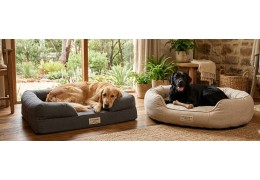
Eco-Friendly Chew Resistant Dog Beds for Sustainable Pets
Read more

Choosing the Perfect Pet Bed to Match Your Home Décor Read more
This guide helps homeowners and businesses choose pet beds that seamlessly blend with interior décor while...
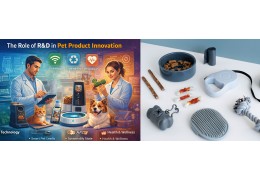
The Role of R&D in Pet Product Innovation Read more
R&D is the engine behind pet product innovation. By working with an R&D pet factory and using custom design...
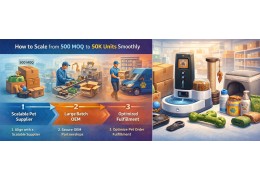
How to Scale from 500 MOQ to 50K Units Smoothly Read more
Scaling from 500 to 50K units in the pet industry requires the right strategy. With a scalable pet supplier, large...
Inside a Modern Pet Product Factory: Quality You Can Trust Read more
Modern pet factories combine automation, skilled workers, QC pet goods systems, and strict pet product testing to...
Popular posts
How to Choose the Right Bed Size for Your Cat
Choosing the right bed size for your cat is key to ensuring their comfort and well-being. This guide covers how to...
Read more
why to clean cat window perch
It is very important to clean the window sill because cats like a clean environment and hygiene to avoid any health...
Read more
what can we bring to your business
We are a world-renowned manufacturing company of the perch. We provide the best solution to your pets, especially...
Read more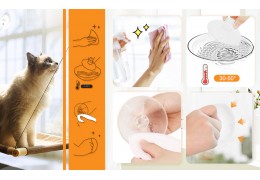
How to remove the suction cup of a cat hammock
My cat hammock sucker is transparent, how to remove the vacuum sucker? How to remove the suction cup of a cat hammock?
Read more
How to clean the window perch?
Window perches are often overlooked in a busy cleaning routine, but they are an important part of keeping your dirt...
Read moreFeatured posts
Eco-Friendly Chew Resistant Dog Beds for Sustainable Pets
This guide explores the growing demand for eco-friendly chew resistant dog beds in 2026, highlighting durable...
Read more Choosing the Perfect Pet Bed to Match Your Home Décor
This guide helps homeowners and businesses choose pet beds that seamlessly blend with interior décor while...
Read more The Role of R&D in Pet Product Innovation
R&D is the engine behind pet product innovation. By working with an R&D pet factory and using custom design...
Read more How to Scale from 500 MOQ to 50K Units Smoothly
Scaling from 500 to 50K units in the pet industry requires the right strategy. With a scalable pet supplier, large...
Read more Inside a Modern Pet Product Factory: Quality You Can Trust
Modern pet factories combine automation, skilled workers, QC pet goods systems, and strict pet product testing to...
Read moreBlog tags
select the right cat bed for your cat slow feeder dog bowls dog feeders perfect cat hammocks buy a cat window perch for your cat favorite cat window perch cat hair trimmer cat window perches best window cat hammock teslin cat window perch petpawjoy cat window seat automatic kitty litter box healthy cat window perch automatic water dispenser for cats best cat hammocks 2022 cuddling your cat cat litter box interactive toys best pet product suppliers
Photo gallery
No featured images
Archived posts
Top authors


Plastic-Free Packaging for Pet Supplies: Is It Worth It?
Introduction
In today’s eco-conscious marketplace, businesses are rethinking how products are presented, shipped, and experienced by customers. For the pet industry, plastic-free packaging, pet box eco solutions, and the growing trend of green unboxing have become hot topics. Retailers and wholesalers alike are asking: Is this shift worth the investment, and does it actually help a brand stand out? The answer is a resounding yes—but with some important considerations.
The Push Toward Sustainability in Pet Supplies
Sustainability is no longer a niche concern—it’s a global movement. Pet parents are part of the same demographic driving changes in fashion, food, and electronics packaging. A growing number of consumers now expect eco-friendly practices from the brands they buy. In fact, studies show that more than 70% of millennials and Gen Z are willing to pay a premium for eco-friendly packaging.
This is where plastic-free packaging becomes a game changer. Unlike single-use plastics that end up in landfills or oceans, eco alternatives such as recycled cardboard, biodegradable cornstarch foam, and compostable wraps are designed to minimize environmental impact. For pet product wholesalers, offering pet box eco packaging is more than a marketing buzzword—it’s a business strategy that appeals to today’s environmentally aware consumer.
At the same time, the green unboxing experience has become an important differentiator. Consumers now share their unboxing moments online, making packaging a vital brand touchpoint. If the first impression your packaging makes is “cheap” or “wasteful,” that sentiment will reflect on your entire brand.
Why Plastic-Free Packaging Appeals to Pet Owners
Pet owners are among the most passionate and loyal consumers. They already view their purchases—whether toys, treats, or accessories—as investments in their pets’ happiness and health. That mindset easily extends to eco-conscious packaging. Here’s why plastic-free packaging resonates so strongly:
1. Aligns With Lifestyle Values
Many pet parents follow sustainable practices in their daily lives—recycling, composting, or choosing organic foods. When they see pet brands also using pet box eco solutions, it strengthens loyalty.
2. Health & Safety Concerns
Some plastics contain chemicals that, when improperly disposed of, can harm wildlife or leach into soil and water. Eco alternatives send a clear signal that your brand prioritizes safety.
3. A Better Emotional Experience
A well-designed green unboxing moment—perhaps featuring recyclable tissue paper or soy-based inks—creates positive emotions. It feels clean, thoughtful, and responsible.
4. Social Media Worthy
Sustainable packaging adds to the story customers want to share online. “Look, my dog’s new toy came in zero-waste packaging!” is a far better narrative than “Look at all this plastic I have to throw away.”
Business Benefits for Wholesalers
Business Benefits for Wholesalershifting to plastic-free packaging is not just good for the planet—it’s good for business. Here’s how:
1. Brand Differentiation
In a crowded wholesale market, pet box eco solutions set your company apart. Retailers want products that align with customer expectations, and eco-friendly packaging is a strong selling point.
2. Premium Pricing Potential
Studies show that consumers pay more for sustainable products. Even in wholesale, eco packaging can justify higher margins.
3. Reduced Long-Term Costs
While upfront investments in sustainable materials may be higher, lightweight cardboard or biodegradable fillers often lower shipping costs.
4. Compliance & Risk Reduction
More countries are introducing bans on single-use plastics. By transitioning now, you future-proof your supply chain.
5. Enhanced Customer Retention
Wholesalers who adopt green unboxing practices provide retailers with a marketing tool. Every eco-packaged product enhances the retailer’s image, creating repeat demand.
Common Eco-Friendly Packaging Options
When planning a shift toward plastic-free packaging, it’s important to understand the alternatives available:
• Recycled Cardboard Boxes (Pet Box Eco Choice)
Sturdy, customizable, and biodegradable—ideal for most pet toys, leashes, or treats.
• Compostable Mailers
Made from cornstarch, sugarcane, or other plant-based sources. Great for shipping small pet products.
• Molded Pulp Inserts
An eco-friendly alternative to styrofoam, perfect for protecting fragile items like ceramic pet bowls.
• Recyclable Tissue & Kraft Paper
Elevates the green unboxing experience while keeping products secure.
• Soy-Based Inks for Printing
A safer alternative to petroleum-based inks, reducing chemical waste.
By combining these strategies, pet suppliers can create packaging that’s eco-friendly yet practical.
Challenges in Going Plastic-Free
Of course, no transition comes without hurdles. Here are some challenges wholesalers may face with plastic-free packaging:
1. Cost Pressures
Biodegradable materials can be more expensive, especially in small quantities. Bulk purchasing helps balance this out.
2. Durability Concerns
Some eco materials may not provide the same level of moisture resistance or toughness as plastic. Testing is crucial.
3. Supply Chain Adjustments
Moving to pet box eco packaging often requires redesigning logistics, training staff, and updating storage practices.
4. Customer Education
Retailers may need support in explaining the benefits of green unboxing to end customers. Providing educational inserts or marketing copy can help.
The Role of Green Unboxing in Brand Experience
The unboxing moment is no longer trivial—it’s marketing gold. Brands like Apple transformed unboxing into a ritual, and now even pet products benefit from this psychology.
When a customer receives a package in plastic-free packaging, opens a beautifully designed pet box eco container, and enjoys a thoughtful green unboxing experience, they feel cared for. That emotional connection boosts word-of-mouth referrals and online shares.
For wholesalers, this isn’t just about aesthetics—it’s about measurable ROI. Retailers that provide a premium unboxing experience report higher customer retention rates.
Case Studies: Success Stories
1. Eco-Toy Brand for Dogs
A U.S.-based company replaced plastic blister packs with compostable cardboard for chew toys. Sales increased 15% in one year as retailers highlighted the eco packaging.
2. Organic Pet Treats Supplier
Switching to pet box eco mailers reduced shipping costs by 12% and became a key selling point in the brand’s social media campaigns.
3. Subscription Box Services
Pet subscription boxes thrive on the green unboxing experience. Using recyclable tissue paper, custom-printed eco boxes, and zero-plastic tape elevated their perceived value.
Future Outlook for Eco Packaging in Pet Supplies
The momentum toward plastic-free packaging is only growing stronger. Several trends point to a green future for the pet supply chain:
• Retailers Demanding Standards
Large pet retailers are beginning to require eco packaging as part of supplier agreements.
• Government Regulations
More regions are enacting laws restricting single-use plastics. Getting ahead of compliance saves future headaches.
• Innovation in Materials
From mushroom-based packaging to edible pet treat wrappers, new materials will make pet box eco solutions more cost-effective and appealing.
• Consumer-Led Movements
With the rise of eco influencers, the green unboxing trend will only get stronger as customers share their sustainable choices.
Final Verdict: Is Plastic-Free Packaging Worth It?
The short answer is yes. The long answer is—it’s not optional anymore. For wholesalers in the pet industry, plastic-free packaging is a competitive necessity, not just a nice-to-have feature.
Investing in pet box eco designs and embracing the green unboxing trend helps businesses attract retailers, delight consumers, and future-proof operations. While the transition comes with challenges, the long-term benefits in customer loyalty, brand differentiation, and sustainability outweigh the costs.
In a world where customers expect eco responsibility, the question isn’t whether you can afford to adopt sustainable packaging—it’s whether you can afford not to.
Posted in: Everything About Pet